
Abstract API Review 2026: Features, Pricing & User Feedback
Abstract API Review: Is It Right for Your Data Verification Needs?
Abstract API provides a suite of REST APIs that help developers verify, validate, and enrich data like email addresses, phone numbers, and IP addresses. With over 10,000 developers and teams relying on it—including Calendly, Snov.io, and Fillout—the platform promises a quick path to production, strong documentation, and global coverage. But how well does it actually perform? This evidence‑based review combines real user feedback, technical features, pricing signals, and practical decision criteria so you can judge if Abstract deserves a place in your stack.
Who Is Abstract API For?
Abstract API Review 2026: Features, Pricing & User Feedback product interface and feature overview.
Abstract fits teams that need to bake data verification directly into their applications without building the validation logic from scratch. Typical users include:
- Developers integrating email/phone validation or IP geolocation into SaaS products, web forms, or onboarding flows.
- Growth and marketing teams wanting to clean contact lists before campaigns go out.
- Security‑focused companies building account takeover prevention, ad fraud detection, or bot mitigation systems.
- Businesses using low‑code tools or CRMs that need serverless validation via Zapier or native integrations. If you’re using a CRM like BrowserScan to manage client interactions, Abstract’s email verification can automatically scrub new leads before they enter your database, reducing bounce rates and preserving your sender reputation.
Core Features and Use Cases
Abstract API Review 2026: Features, Pricing & User Feedback product interface and feature overview.
Abstract’s APIs are designed for real‑time, transactional access. The most popular endpoints cover:
Email Verification
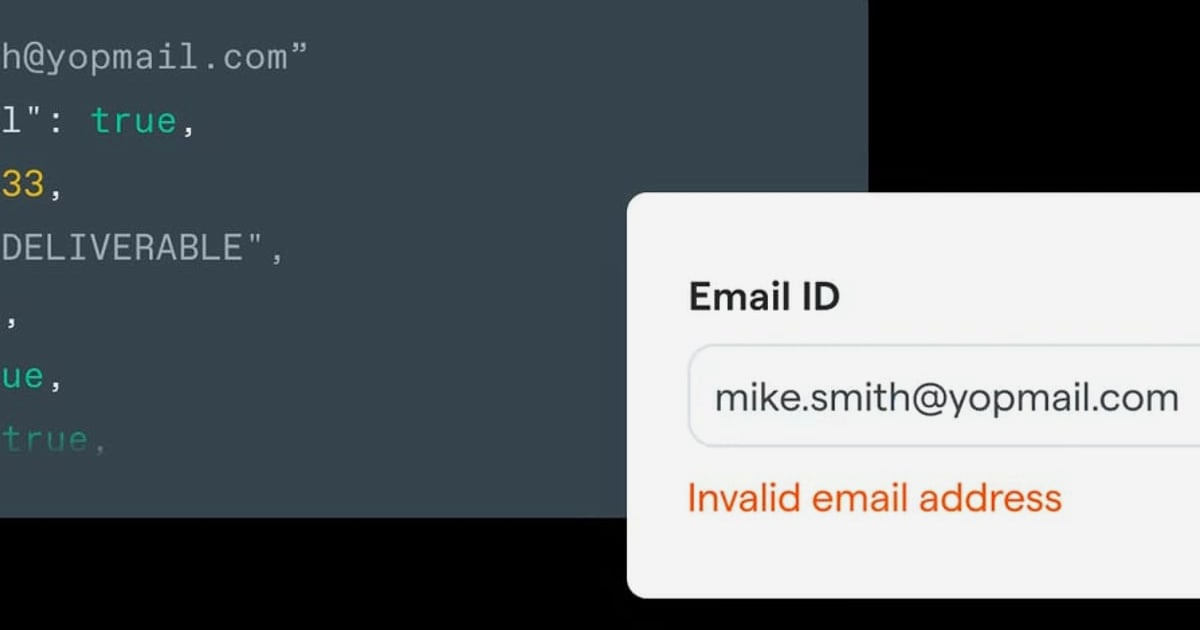
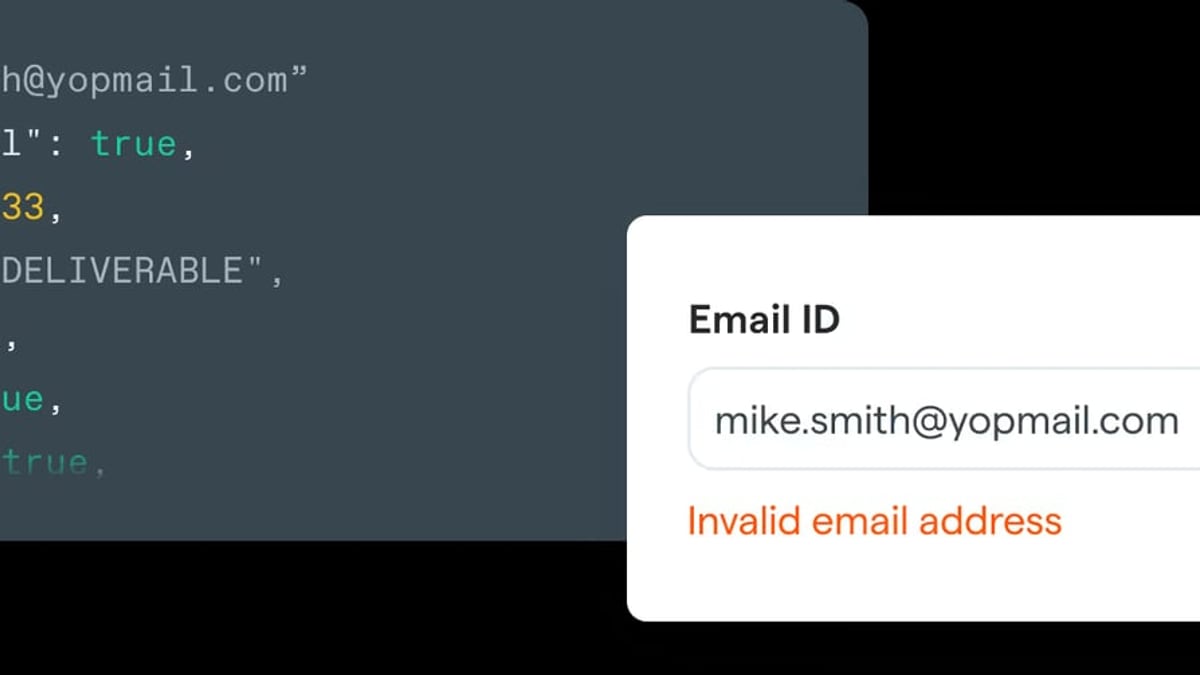
- Checks syntax, MX records, disposable domains, role‑based addresses, and performs an SMTP handshake.
- Flags risky or catch‑all addresses. Use case: stop hard bounces before they hurt your sending reputation.
Phone Validation
- Validates number format, carrier information, line type (mobile, landline), and active status.
- Supports international numbers. Use case: clean SMS lists and reduce message delivery failures.
IP Geolocation & Threat Intelligence
- Returns country, city, timezone, ISP, connection type, and a reputation score (bot, tor, proxy risk).
- Integrates directly into fraud detection workflows. Use case: block suspicious logins or automatically adjust content based on visitor location.
Additional APIs
- VAT validation, image compression, and more round out the platform, though the core verification trio gets the most attention.
Many companies combine these capabilities. For instance, a form submission can be instantly checked: validate the phone, verify the email, and geolocate the IP—all within a single integration pattern.
Setup and Developer Experience
Abstract API Review 2026: Features, Pricing & User Feedback product interface and feature overview.
Abstract places a heavy emphasis on developer productivity. The onboarding flow includes:
- Clear API key management and a dashboard that shows request volumes per endpoint.
- Comprehensive docs with code samples in Python, JavaScript, Ruby, PHP, and others. SDKs and community libraries reduce boilerplate.
- Pre‑built integrations with Zapier, Slack, and cloud platforms (AWS, Azure, GCP), allowing non‑developers to use Abstract with minimal coding.
Abstract’s official site promises a “get into production this afternoon” experience, and a majority of users on G2 confirm that integration is straightforward and well‑documented. Uptime commitments (99.99% SLA on enterprise plans) and SOC 2 Type II / GDPR compliance make it viable for regulated industries.
Strengths and Positive Feedback
Based on aggregated reviews, several advantages stand out:
- Reliable performance: Users consistently mention fast response times and predictable uptime.
- Ease of integration: One‑liners for common languages and a well‑structured REST API make it a favorite among developers who value rapid prototyping.
- Unified suite: Instead of stitching together separate email, phone, and IP providers, you get a single dashboard and billing system.
- Transparent free tier: A generous free plan (1,000 requests per month per API) lets you test everything without upfront commitment.
On G2, feedback like “ease of use and reliable performance” and “integration straightforward and efficient” is common. The built‑in threat scoring for IPs also saves you from having to maintain a separate blocklist service.
Limitations and Negative Feedback
No tool is perfect, and Abstract has its rough edges. Accounts on Product Hunt highlight concerns that potential adopters should weigh:
- Customer support friction: Some users report unresponsive support, billing issues, and what they describe as “dark patterns” when trying to upgrade. One reviewer stated they couldn’t upgrade due to a platform bug and found support unhelpful.
- Account management bugs: A few developers faced obstacles when their usage hit limits and the upgrade flow broke—a serious problem when production services depend on the API.
- Niche feature depth: While the core verification works well for most, dedicated email verification companies may offer deeper mailbox‑level checks (e.g., deeper catch‑all analysis). Similarly, IP intelligence competitors provide more granular threat data.
These complaints aren’t universal—many praise support—but they’re frequent enough that you should test the upgrade path and contact support during your trial before going all‑in.
Pricing Signals and Plans
Abstract uses a per‑API pricing model with a free tier that gives you 1,000 requests/month for each service. Once you exhaust that, paid plans start at around $9/month (pricing may vary by API and region). Volume discounts kick in for higher request thresholds, and custom enterprise plans include SLAs and dedicated support.
Key pricing takeaways:
- The free tier is excellent for evaluation and low‑traffic projects.
- Pay‑as‑you‑go billing prevents sudden cost spikes if your usage fluctuates.
- You only pay for the APIs you actually use, so you aren’t forced into a bundle.
Always check the latest pricing on the official site, as these numbers can change over time.
How Abstract Compares to Alternatives
When deciding, it helps to map Abstract against specialized players:
| Capability | Abstract | Specialized Alternative |
|---|---|---|
| Email verification | Good real‑time checks, SMTP handshake | ZeroBounce, NeverBounce (deeper mailbox analysis) |
| Phone validation | Valid number & carrier info | Twilio Lookup (premium carrier data) |
| IP geolocation + threat | Basic geolocation with proxy/tor detection | MaxMind, IPinfo (more granular threat feeds) |
| All‑in‑one convenience | Single provider, one integration | May need multiple vendors |
Abstract’s strength is reducing vendor count and providing a consistent developer experience. If you need advanced, single‑channel depth, a specialized alternative might fit better.
Decision Criteria: Should You Choose Abstract API?
Abstract API Review 2026: Features, Pricing & User Feedback product interface and feature overview.
Pick Abstract if:
- Your application needs multiple verification types (email, phone, IP) under one roof.
- Developer velocity matters and you value clear docs, quick integration, and low maintenance.
- You want to trial for free with no time limit and scale gradually.
Think twice if:
- You’ve had painful experiences with support reliability—test their responsiveness during your free trial.
- You require the deepest possible mailbox verification or the most granular IP threat intelligence available.
- Your team would prefer to cherry‑pick best‑of‑breed specialists for each verification channel.
Frequently Asked Questions
What does Abstract API do?
It offers a set of APIs to verify emails, validate phone numbers, and geolocate IP addresses, along with reputation scoring and data enrichment. These tools help prevent fraud, maintain data quality, and automate risk assessment.
Is Abstract API reliable?
Yes. The platform offers a 99.99% uptime SLA for enterprise plans and is SOC 2 Type II and GDPR compliant. Most users report consistent, fast performance.
How much does Abstract API cost?
A free plan gives you 1,000 requests/month per API. Paid plans start at around $9/month, with volume discounts and custom enterprise pricing. You only pay for the APIs you activate.
Can I use Abstract API for email verification?
Absolutely. The email validation API checks syntax, domains, disposable addresses, role‑based addresses, and performs an SMTP handshake to determine deliverability.
Does Abstract support IP geolocation and bot detection?
Yes. The IP geolocation API returns location details plus a threat score that flags proxies, Tor nodes, and bot activity—useful for login monitoring and ad fraud detection.
What are the main complaints about Abstract API?
A minority of users have reported difficulties with account upgrades, buggy billing processes, and unresponsive customer support. These experiences appear mainly in older Product Hunt reviews, but it’s wise to verify their current support quality during your trial.
Conclusion
Abstract API delivers on its promise of simple, powerful verification APIs that most developers can integrate in an afternoon. Real‑world reviews confirm its reliability and ease of use, while the free tier makes it risk‑free to evaluate. The friction some users have experienced with support and billing means you should test those aspects before scaling, not after. For teams that want a single vendor for email, phone, and IP verification—and value speed of implementation over niche depth—Abstract remains a strong, competitively priced contender.