
What Is ASN Data? Autonomous System Numbers Explained
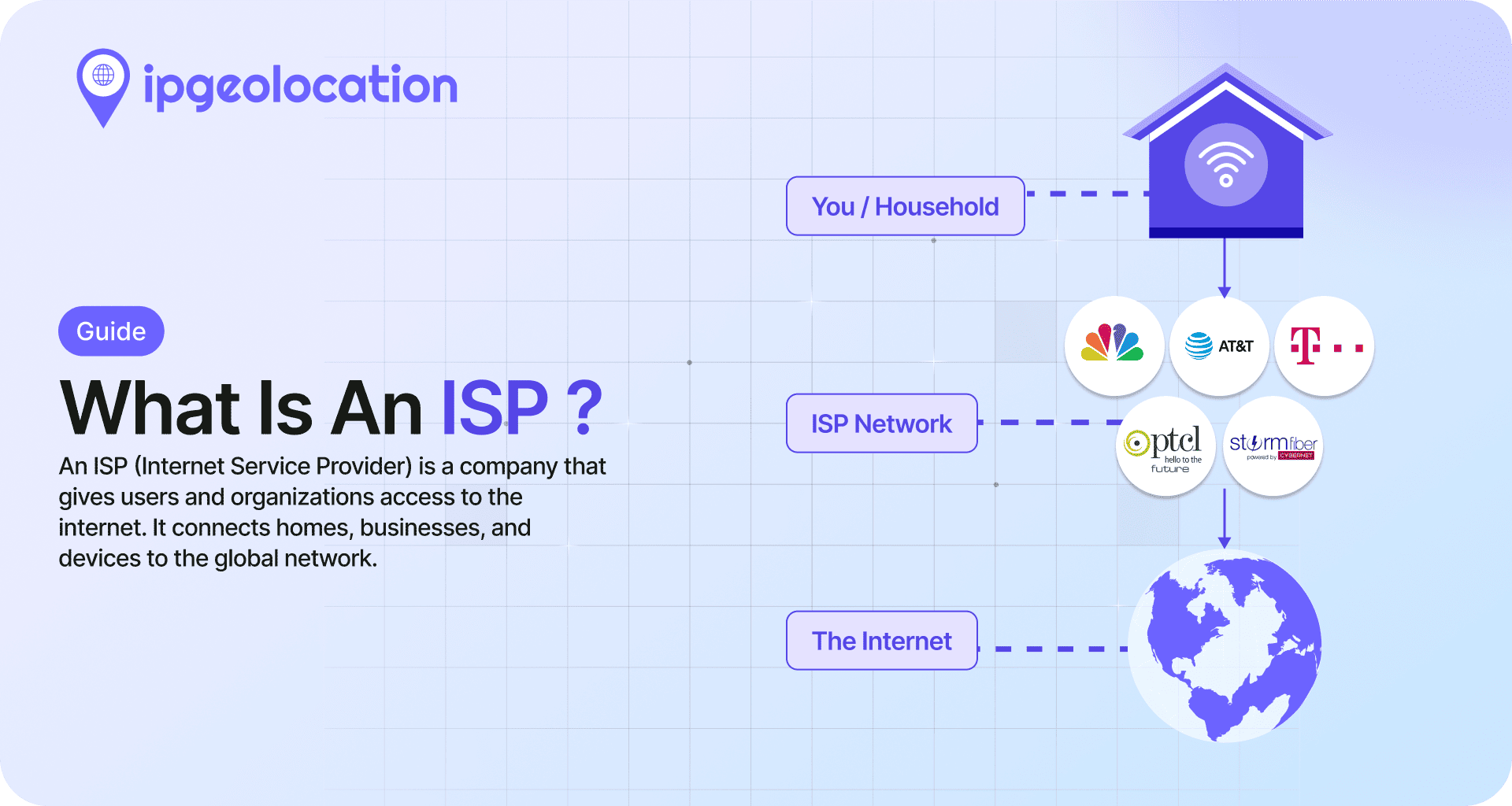
What Is ASN Data? A Deep Dive into Autonomous System Numbers
Every time you load a website, send an email, or stream a video, your data hops across multiple independent networks before reaching its destination. These networks are called Autonomous Systems (AS), and each one is identified by a unique code known as an Autonomous System Number (ASN). ASN data is the foundational routing intelligence that keeps the internet from descending into chaos—it tells data packets which roads to take across the global network of networks.
This article unpacks what ASN data actually represents, how it works alongside BGP, the different ASN formats, and practical ways to query ASN information for network troubleshooting, cybersecurity investigations, and privacy verification.
What Is an Autonomous System?

What Is ASN Data? Autonomous System Numbers Explained - What Is an Autonomous System?.
An Autonomous System is a large network or group of networks that operates under a single, clearly defined routing policy. Think of it as a major logistics hub in the internet’s postal system. Just as a city’s central post office is responsible for sorting and delivering all mail within its assigned zip codes, an AS controls a specific block of IP addresses—called its IP address space—and manages how traffic enters and leaves that space.
Typically, a single organization runs an AS. This could be:
- An Internet Service Provider (ISP) like Comcast or Deutsche Telekom
- A hyperscale cloud provider like Amazon Web Services or Google Cloud
- A large enterprise with its own global network
- A university or research institution
- A government agency
Each AS connects to other autonomous systems through a process called peering, often at physical Internet Exchange Points (IXPs). These interconnections form the backbone of the internet. Without autonomous systems and the ASN data that identifies them, the global internet would fragment into isolated islands.
What Is an ASN (Autonomous System Number)?

What Is ASN Data? Autonomous System Numbers Explained - What Is an ASN (Autonomous System Number)?.
An Autonomous System Number is a unique numeric identifier assigned to each AS. It functions like a business license number for networks—external parties use the ASN to refer to a specific network when exchanging routing information. For example, Cloudflare’s ASN is AS13335. Google’s primary ASN is AS15169.
ASNs are only mandatory for networks that need to exchange routing information externally via the Border Gateway Protocol (BGP). Internal routers and devices within a single AS do not need to know the ASN; they communicate using interior gateway protocols. But when traffic must cross from one organization’s network to another’s, the ASN becomes essential.
2-Byte vs. 4-Byte ASNs
There are two ASN formats, driven by the need to expand the available number space:
| Format | Bit Length | Number Range | Total Available | Private Use Range |
|---|---|---|---|---|
| 2-byte | 16-bit | 0 – 65535 | 65,536 | 64512 – 65534 (1,023 reserved) |
| 4-byte | 32-bit | 0 – 4294967295 | 4,294,967,296 | 4200000000 – 4294967294 (94,967,295 reserved) |
Before 2007, all ASNs were 2-byte. The Internet Engineering Task Force (IETF) then proposed a gradual transition to 4-byte ASNs to prevent exhaustion. Today, there is no practical distinction—all ASNs should be treated as 4-byte capable. You will still see older 2-byte ASNs in the wild, but modern BGP implementations handle both seamlessly.
Private ASNs (those in the reserved ranges) are used for internal networks that do not need to be globally unique, similar to private IP addresses like 192.168.x.x.
How ASN Data Powers Internet Routing
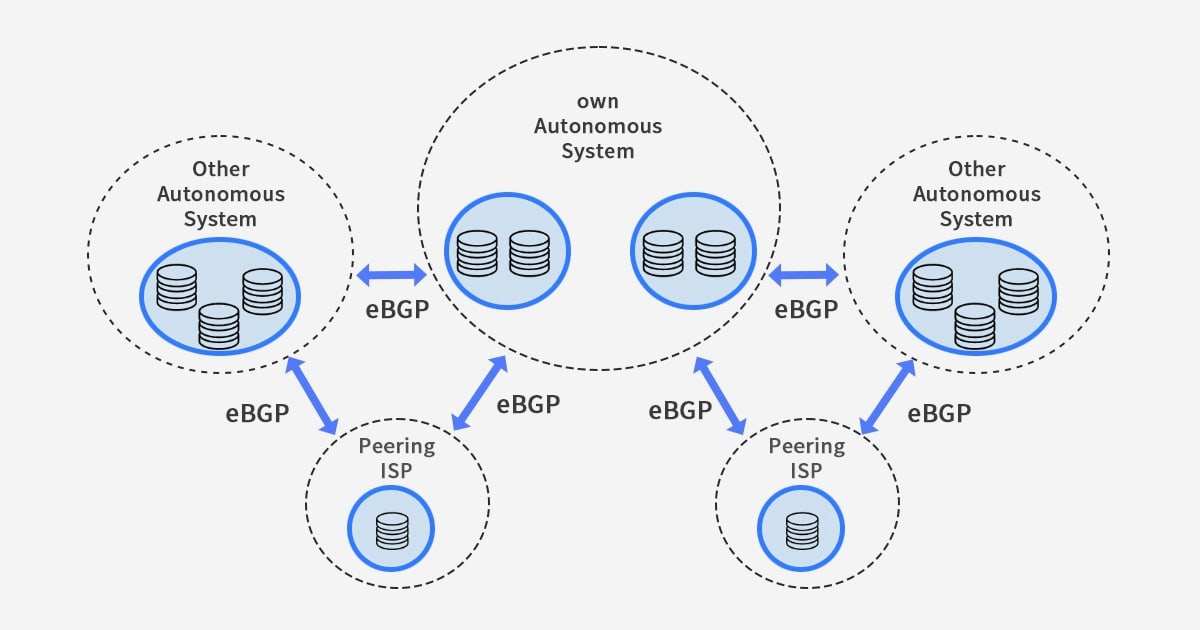
What Is ASN Data? Autonomous System Numbers Explained - How ASN Data Powers Internet Routing.
ASN data is not a static directory; it is a live, constantly updated map of the internet’s topology. The protocol that makes this possible is BGP.
The Role of BGP
Border Gateway Protocol is the postal service’s sorting algorithm for the internet. Each AS uses BGP to announce two critical pieces of information to its peers:
- Which IP prefixes it originates — the blocks of IP addresses it controls.
- Which other ASes it connects to — the available paths to reach other networks.
BGP routers collect these announcements into routing tables. When a data packet arrives, the router consults its table to determine the best path to the destination AS. “Best” usually means the shortest AS path—the fewest autonomous system hops—though network administrators can adjust routing policies based on business relationships, latency, or cost.
Why IP Alone Isn’t Enough
IP addresses identify the destination, but they do not describe the route. Without BGP and ASN data, packets would have no map. They would bounce randomly between networks until their Time to Live expired. ASN data provides the hierarchical structure that makes global routing scalable. Each ASN represents a trusted, policy-aware waypoint.
Types of Autonomous Systems
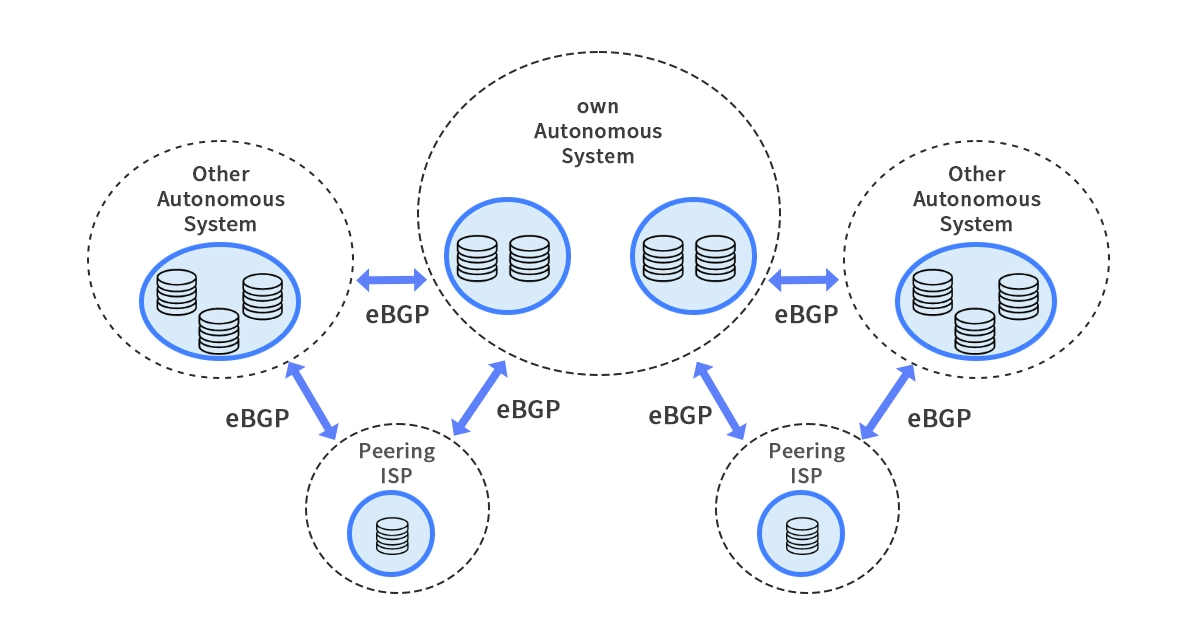
What Is ASN Data? Autonomous System Numbers Explained - Types of Autonomous Systems.
Not all autonomous systems play the same role. Understanding the three primary types helps contextualize ASN data in network analysis:
- Multi-homed AS: Connects to two or more other ASes. This provides redundancy—if one upstream connection fails, traffic can still flow through another path. Most ISPs and large enterprises are multi-homed.
- Stub AS: Connects to only one other AS. This is typical for a small business or a branch office that has a single ISP uplink. A stub AS may still have its own internal routing policy, but it relies entirely on its upstream provider for external connectivity.
- Transit AS: Acts as a bridge, carrying traffic between two or more other ASes—even traffic that neither originates from nor terminates within the transit AS itself. Tier-1 ISPs are classic transit ASes; they form the core backbone that stitches the internet together.
When you perform an ASN lookup, the result often includes metadata indicating which type of AS you are examining, along with the organization name, registered country, and announced prefixes.
Practical Uses for ASN Data
ASN data is not just for network engineers managing BGP peering. It has become a valuable input for security operations, privacy verification, and competitive intelligence.
1. Network Troubleshooting and Diagnostics
When latency spikes or packet loss occurs, tracing the AS path reveals which network is responsible. Tools like traceroute show the sequence of IP hops; mapping those IPs to ASNs identifies the organizational boundaries. If delays consistently appear within AS174 (Cogent) or AS3356 (Lumen), you know where to focus your investigation.
2. Cybersecurity and Threat Intelligence
Security analysts use ASN data to map attack infrastructure. A sudden flood of malicious traffic from multiple IP addresses that all belong to the same AS may indicate a compromised hosting provider or a bulletproof hosting operation. Conversely, legitimate traffic from an unexpected AS—such as a residential ISP ASN appearing in a corporate application’s logs—can signal credential stuffing or account takeover attempts.
3. VPN and Proxy Detection
Privacy-conscious users often want to verify that their VPN or proxy is actually hiding their real network identity. When you run a comprehensive privacy check, the detected ASN should match the VPN provider’s network, not your home ISP. If a tool reports an ASN belonging to your local telecom while your VPN claims to be connected, you have a leak.
BrowserScan’s privacy diagnostics suite includes IP address lookups that reveal the ASN associated with your current connection. This is a quick way to confirm your VPN is routing traffic through the correct autonomous system. For step-by-step guidance on verifying your VPN setup end-to-end, see our complete NordVPN privacy testing guide.
4. Competitive Network Analysis
Businesses can analyze a competitor’s ASN data to understand their infrastructure scale. By examining the number of announced IP prefixes, peering relationships, and upstream transit providers, you can infer whether a company relies on its own data centers, a specific cloud provider, or a content delivery network.
How to Look Up ASN Data
Several free and paid tools provide ASN information. The approach you choose depends on your technical comfort and the depth of data required.
Using Command-Line Tools
On Linux, macOS, or Windows Subsystem for Linux, you can query ASN data directly:
# whois lookup for an IP address
whois 8.8.8.8 | grep -i origin

# Using BGP tools (if installed)
bgp.he.net lookup for AS15169
The whois output typically includes the Origin or OriginAS field, which shows the ASN that announces the queried IP block.
Web-Based ASN Lookup Services
For a more user-friendly experience, web-based IP lookup tools display ASN data alongside geolocation, ISP name, and proxy detection flags. BrowserScan’s network tools provide instant ASN identification without requiring any command-line knowledge. Simply visit the IP lookup tool, and the ASN appears in the results alongside other relevant connection metadata.
Regional Internet Registry (RIR) Databases
For authoritative data, query the RIR that manages the IP space in question:
- ARIN (North America)
- RIPE NCC (Europe, Middle East, Central Asia)
- APNIC (Asia Pacific)
- LACNIC (Latin America and Caribbean)
- AFRINIC (Africa)
Each RIR maintains a public WHOIS database. ARIN’s guide on ASNs provides detailed technical specifications and request procedures.
ASN Data and Online Privacy
Your ASN reveals more than you might think. It can expose:
- Your ISP or hosting provider
- The country where your network is registered
- Whether you are connecting from a residential, business, or cloud network
This information is visible to every website you visit and every online service you use. While the ASN alone does not identify you personally, it contributes to your overall digital fingerprint. Websites can combine ASN data with browser fingerprinting, WebRTC leaks, and DNS leak tests to build a surprisingly accurate profile of your connection.
For a thorough privacy audit, you need to check more than just your IP’s ASN. Tools that perform browser fingerprint analysis and DNS leak testing provide a complete picture of what websites can detect about your setup. BrowserScan integrates these checks into a single dashboard, making it easy to spot inconsistencies between your intended and actual network identity.
Related reading
- HackerTarget Download: Tools, API Access & Privacy Checks - Understand what 'HackerTarget download' really means. Explore free web-based IP tools, API automation, Chrome extension access, and how to pair it with privacy diagnostics.
- Trail of Bits: Security Research, Audits & Open Source Tools - Trail of Bits is a leading cybersecurity firm specializing in security audits, research, and open-source tools. Learn how they secure software, blockchains, and AI.
Sources and further reading
- ASN Data - ASN Data Analytics Program supports informed, strategic decision-making and implementation of ASN initiatives and programs by collecting, managing, analyzing
- What is an autonomous system? | What are ASNs? - What does 'ASN' stand for? Find out what an autonomous system (AS) is, what an autonomous system number is, and how BGP & ASNs are related.
FAQ: Common ASN Data Questions
Is an ASN the same as an IP address?
No. An IP address identifies a specific device or endpoint on a network. An ASN identifies an entire autonomous system—a network that controls a range of IP addresses. Think of the ASN as the zip code for a whole city, while the IP address is a specific street address.
Can I get my own ASN?
Yes, but you must meet the requirements set by your Regional Internet Registry. Typically, you need a distinct routing policy, a multi-homed network (connections to at least two other ASes), and a demonstrated need. Small businesses and individuals rarely qualify; they lease IP space and routing from their ISP instead.
Why does my VPN show a different ASN?
That is exactly what should happen. When your VPN is working correctly, your traffic exits through the VPN provider’s network, so the ASN should belong to the VPN company or its hosting provider—not your home ISP. If you still see your ISP’s ASN, you likely have a DNS leak or the VPN connection has dropped.
What is the difference between public and private ASNs?
Public ASNs are globally unique and used for internet-facing routing. Private ASNs (64512–65534 and 4200000000–4294967294) are for internal use only, similar to private IP ranges. They cannot be announced to the public internet.
How accurate is ASN geolocation data?
ASN registration data includes a country code, but this reflects the organization’s legal address—not necessarily the physical location of every IP address within that AS. A global ISP may have an ASN registered in one country while operating infrastructure worldwide. For more precise location data, you need IP geolocation databases that map individual prefixes to physical coordinates.
Conclusion
ASN data is the unsung backbone of internet routing. Every packet you send traverses multiple autonomous systems, each identified by a unique ASN, and each making independent routing decisions based on BGP announcements. Understanding ASN data transforms abstract network concepts into actionable intelligence—whether you are diagnosing a connectivity issue, investigating a security incident, or simply verifying that your privacy tools are working as advertised.
Next time you run an IP lookup, pay attention to the ASN field. It tells a story about who controls the network path your data is taking. For a complete view of your online exposure, combine ASN analysis with DNS and WebRTC leak tests to ensure no hidden vulnerabilities are revealing your true identity.