
Top 10 IP Intelligence & Network Lookup Tools for 2026
Top 10 IP Intelligence and Network Lookup Tools in 2026
Whether you’re hardening network defenses, geotargeting content, or investigating suspicious traffic, today’s IP intelligence landscape goes far beyond basic geolocation. In 2026, the best IP intelligence tools combine granular network data, real‑time threat feeds, and developer-friendly APIs to turn a simple IP address into actionable context.
This guide ranks the top 10 IP intelligence and network lookup tools that genuinely belong to the category—each evaluated on data accuracy, enrichment depth, API flexibility, and real‑world reliability. No generic network monitors or browser fingerprinting tools appear in the ranking; we treat those as complementary solutions you can layer on later.
How We Evaluated These Tools
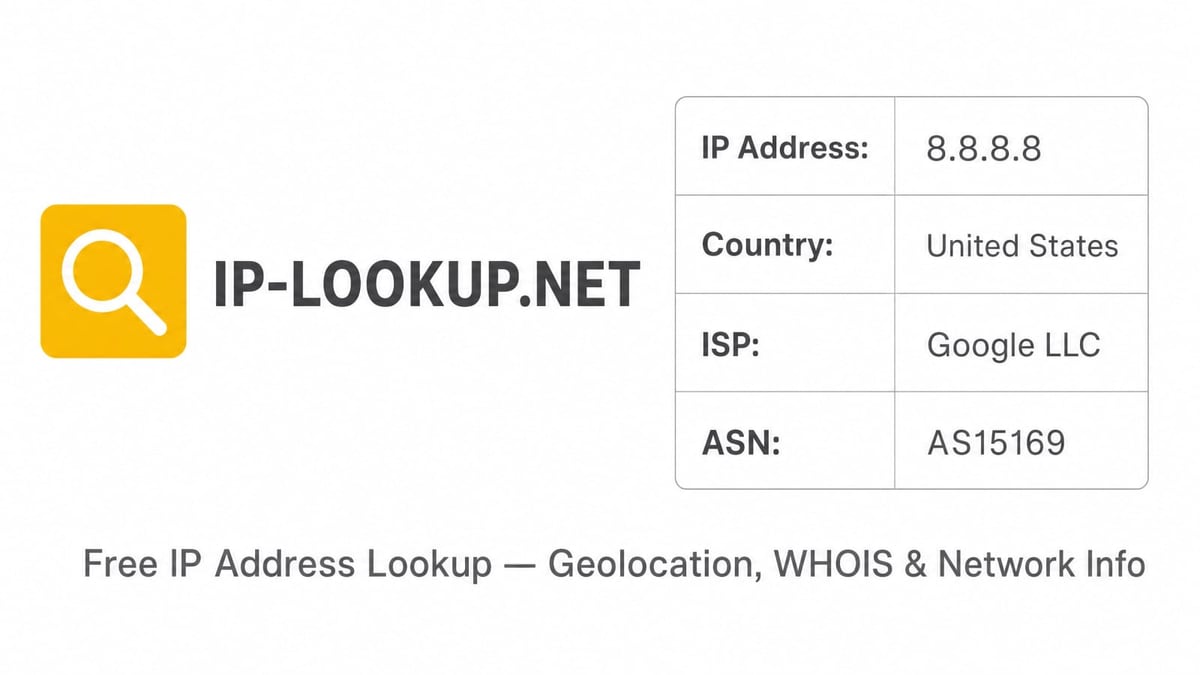
Top 10 IP Intelligence & Network Lookup Tools for 2026 product interface and feature overview.
Every tool on this list was assessed against five criteria that matter to security teams, developers, and network operators:
- Data freshness and coverage – How often IP databases are updated and whether they cover IPv4/IPv6 equally.
- Lookup richness – Beyond city and country: ISP, ASN, connection type, proxy/VPN detection, abuse confidence.
- API & integration maturity – Clear documentation, rate limits, SDKs, and compatibility with SIEM/SOAR.
- Complementary network utilities – Useful built‑ins like reverse IP lookup, DNS leak tests, or CIDR calculators.
- Transparency and trust – Licensing that permits commercial use, accuracy disclaimers, and community or enterprise support.
The tools below reflect 2026 versions, with a focus on sustainable pricing, modern REST APIs, and genuinely useful intelligence—not marketing fluff.
The 2026 Top 10 IP Intelligence and Network Lookup Tools
Top 10 IP Intelligence & Network Lookup Tools for 2026 product interface and feature overview.
1. MaxMind GeoIP
Best for: industry‑standard IP geolocation with decades of trust
MaxMind’s GeoIP2 and GeoLite2 databases remain the benchmark for IP intelligence. They offer city‑level precision, ISP details, and anonymizer type detection (hosting, proxy, Tor). The downloadable binary format gives you sub‑millisecond lookups on your own infrastructure, while the minFraud service layers risk scoring on top. In 2026, MaxMind continues to refine its accuracy using machine learning on its global network mirror. If you need a proven, offline‑capable IP data source, this is the starting point.
For a deep dive on how MaxMind compares with privacy‑oriented checkers, see our BrowserScan vs IPhey vs MaxMind guide.
Standout features:
- GeoIP2/GeoLite2 databases with city, postal, and connection type
- Anonymous IP detection (VPN, proxy, hosting)
- minFraud risk API for transactional workflows
- On‑prem or cloud deployment
2. IPinfo
Best for: developer‑friendly real‑time IP data APIs
IPinfo has grown into the go‑to for modern teams that want clean, JSON‑formatted responses without heavy parsing. It returns geolocation, ASN, company, privacy detection (VPN, proxy, relay), and even abuse contact information in a single request. Their “IP Map” embed lets you visualize IP locations instantly. With a generous free tier and official libraries for Python, Node.js, and more, it’s hard to beat for fast prototyping and production use alike.
Standout features:
- Privacy detection with hosting, proxy, and relay flags
- Bulk and batch API endpoints
- IP Map and real‑time dashboards
- Official client libraries
3. IP2Location
Best for: comprehensive IP databases with proxy detection
IP2Location remains a powerhouse for teams that need ultra‑granular data. Their LITE version covers 19 fields including country, region, city, latitude, longitude, ZIP code, ISP, domain, and usage type. The paid IP2Proxy database adds advanced proxy, VPN, Tor, and botnet detection. In 2026, they keep their edge with daily DB updates and direct integrations into platforms like Snowflake and BigQuery for large‑scale enrichment jobs.
Standout features:
- 19+ fields in LITE database
- IP2Proxy for real‑time proxy/VPN classification
- SQL, CSV, and binary formats
- Hosted API and downloadable databases
4. DB‑IP
Best for: monthly updated IP data with a generous free tier
DB‑IP delivers a lightweight yet accurate alternative to the usual heavyweights. It offers city‑level geolocation, ISP, connection type, and risk scores. The free DB‑IP Lite covers country and city data for most use cases, while the paid API adds ASN, threat data, and carrier detection. A standout point for 2026: their data freshness dashboard shows when blocks were last updated, so you know exactly how current your dataset is.
Standout features:
- Monthly schema updates
- Threat API for IP risk scoring
- CSV and MMDB formats
- Clear data provenance
5. IP‑Lookup.net
Best for: free, privacy‑respecting IP intelligence with built‑in network tools
IP‑Lookup.net packs more than just a lookup into a clean web interface. It serves an instant IP report with geolocation, ASN, reverse DNS, WHOIS/RDAP, and a risk summary (proxy/VPN detection) for any IPv4 or IPv6 address. The platform includes a CIDR calculator, reverse IP lookup, DNS leak test, and a public JSON API for developers—all without forcing registration. Academic researchers and privacy‑conscious admins will appreciate the transparent accuracy disclaimers and multi‑language support (English, Spanish, Chinese).
Standout features:
- Free JSON API with optional key for higher limits
- Built‑in DNS leak test, CIDR calculator, reverse lookup
- WHOIS and RDAP lookups side by side
- Multi‑language UI
6. Abstract API
Best for: simple, secure IP geolocation with built‑in VPN detection
Abstract API positions its IP Geolocation service as a low‑friction, security‑aware layer. One endpoint returns country, city, timezone, ISP flag, and VPN/proxy confidence. Their docs emphasize privacy (no PII stored) and include ready‑to‑use snippets for curl, JavaScript, React, and more. In 2026, they also offer an IP‑to‑company enrichment offering for B2B lead scoring. For teams already using Abstract’s other validation APIs, this integrates seamlessly.
Read our full Abstract API Review 2026 for an in‑depth look at use cases and pricing.
Standout features:
- Single‑endpoint IP geolocation + security flags
- B2B company enrichment add‑on
- CORS‑friendly, ready for front‑end use
- Flat‑rate pricing with unlimited lookups
7. IPQualityScore (IPQS)
Best for: fraud‑focused IP reputation scoring
IPQS goes well beyond geolocation, taking a fraud‑prevention stance on every IP lookup. Their API scores each address for proxy, VPN, TOR, bot activity, and abusive behavior, using machine learning models fed by their global honeypot network. The result is a real‑time risk score from 0 to 100 that SOC teams and payment gateways use to block malicious traffic. Transaction risk scoring and email/phone validation APIs are available under the same umbrella.
Standout features:
- IP fraud score, proxy/VPN detection, bot classification
- Transaction scoring for payment protection
- Honeypot‑driven threat intelligence
- Bulk lookup and SIEM integration
8. AbuseIPDB
Best for: community‑powered IP abuse reporting and threat feeds
AbuseIPDB is the largest public IP abuse database, fueled by thousands of daily reports from system administrators worldwide. You can check any IP against its abuse confidence score (0–100), see the reporting history, and even contribute your own findings. The API v2 supports bulk queries, categories (brute force, port scan, spam, etc.), and automated reporting from firewalls or SIEMs. While not a geolocation tool, it’s an essential piece of the network lookup puzzle for any team that needs to vet potentially malicious IPs.
For a broader view of how threat intelligence feeds strengthen network operations, check out Kentik’s Best Network Monitoring Tools 2026 guide.
Standout features:
- Crowdsourced IP abuse reports
- Confidence score and category breakdown
- Bulk query API v2
- Integration with fail2ban and Suricata
9. Shodan
Best for: internet‑wide network intelligence on exposed services
Shodan is often called the “search engine for IoT,” but its true value lies in uncovering what’s running behind an IP address. You can see open ports, banners, SSL certificates, and known vulnerabilities for any public IP—giving a view of network exposure that pure geolocation tools miss. In 2026, the Shodan API is indispensable for asset discovery, red teaming, and continuous external attack surface monitoring.
Standout features:
- Real‑time port and banner scanning
- Vulnerability tagging (CVE matching)
- Internet‑wide search queries
- Command‑line interface and API
10. WhoisXML API
Best for: domain and IP WHOIS/RDAP at scale
While many IP tools touch WHOIS, WhoisXML API makes it the star. It offers structured WHOIS data for IPs and domains, including historical records, registrant details, and subdomain discovery. The IP Netblocks API maps IPs to ASNs with net range ownership, and the newly expanded RDAP coverage ensures compliance with modern protocols. This is the tool to pick when you need deep ownership context or are conducting threat investigations at scale.
Standout features:
- Real‑time and historical WHOIS/RDAP
- IP Netblocks API for ASN and range mapping
- Bulk and reverse WHOIS queries
- Domain research reports
Quick Comparison Table

Top 10 IP Intelligence & Network Lookup Tools for 2026 - supporting product research image 4.
| Tool | Best For | Key IP Data | API Model | Free Tier |
|---|---|---|---|---|
| MaxMind | Offline geolocation, enterprise standard | GeoIP2 city/accuracy, anonymizers | Downloadable + API | GeoLite2 free DB |
| IPinfo | Developer teams, quick integration | Geolocation, ASN, privacy flags, abuse | REST API | 50k req/month free |
| IP2Location | Granular IP DBs, proxy detection | 19+ fields, IP2Proxy risk | Hosted API + download | LITE DB for city/country |
| DB‑IP | Monthly updated data, budget‑friendly | City, ISP, risk scores | API + download | DB‑IP Lite free |
| IP‑Lookup.net | Free all‑in‑one tool with network utilities | Geo, ASN, RDAP, proxy detection | Public JSON API | Free with optional API key |
| Abstract API | Simple security‑aware geolocation | IP → country, city, VPN flag | REST API | 1000 req/month free |
| IPQS | Fraud prevention and risk scoring | Fraud score, proxy/VPN/bot detection | REST API | 1000 lookups/month |
| AbuseIPDB | Community‑driven IP abuse intelligence | Abuse confidence score, categories | API v2 | Free for basic query |
| Shodan | Exposure intelligence, port scanning | Open ports, banners, CVEs | REST API | Limited free queries |
| WhoisXML API | WHOIS/RDAP and ownership research | WHOIS data, net ranges, history | REST API | 1000 credits/month |
Complementary Workflow: Pair IP Intelligence with Privacy Leak Testing

Top 10 IP Intelligence & Network Lookup Tools for 2026 - supporting product research image 3.
The tools above show you what the network says about an IP—but what about your own device’s IP leaks? Many security‑conscious users combine an IP intelligence service with a browser leak checker to see whether their VPN is exposing DNS or WebRTC data. When you need to verify anonymization effectiveness, use BrowserScan alongside your preferred IP lookup tool to quickly detect browser fingerprints, DNS leaks, and WebRTC exposure that IP geolocation alone can’t spot. This two‑step check is especially valuable after configuring split‑tunnels or privacy‑focused browsers.
If you’re comparing privacy tools side‑by‑side, our BrowserScan vs Pixelscan breakdown helps you pick the right checker for comprehensive leak testing.
Sources and further reading
- Best Network Discovery Tools of 2026 - Discover the best network discovery tools for complete visibility across complex environments. Compare solutions to find your ideal fit.
FAQ
What is an IP intelligence tool?
An IP intelligence tool enriches a raw IP address with contextual data such as geolocation, ISP, ASN, connection type, proxy/VPN status, abuse history, and risk confidence. It goes beyond simple mapping to deliver actionable network insight.
Can I use free IP lookup tools for commercial applications?
Many tools offer free tiers with usage limits, but check the license. Services like MaxMind GeoLite2 and IP‑Lookup.net allow commercial use under certain conditions; others require a paid plan. Always review the terms before embedding them in a product.
How accurate is IP geolocation in 2026?
City‑level geolocation is typically 80–90% accurate in many databases, but precision varies by country and ISP. VPNs and mobile carriers can reduce accuracy further. Combining multiple data sources or using machine learning models improves results, as seen in MaxMind and IP2Location.
Do these tools help with threat intelligence?
Yes. Tools like IPQS, AbuseIPDB, and the risk feeds in IP2Location and IPinfo provide reputation scoring, proxy detection, and abuse context that feeds directly into threat intelligence workflows. For enterprise threat platforms, see CloudSEK’s guide on best threat intelligence tools.
How do I choose the right tool for my team?
Start with your primary use case: offline bulk enrichment (MaxMind), real‑time API calls (IPinfo), fraud prevention (IPQS), or network exposure scanning (Shodan). Then match the API format, pricing, and data freshness to your integration needs.
Final Recommendation
The IP intelligence market in 2026 offers a rich mix of open data, crowdsourced threat feeds, and polished APIs. For teams that need a single authoritative geolocation source, MaxMind remains the trusted default. Developers who value speed and ease will reach for IPinfo or Abstract API. Security operations should layer on IPQS or AbuseIPDB to add threat context, while network researchers will keep Shodan and WhoisXML API in their toolbox.
Whichever tool you pick, remember that no lookup is perfectly accurate—cross‑referencing sources and validating against abuse signals produces the most reliable picture. For more head‑to‑head comparisons and privacy tool reviews, explore BrowserScan’ in‑depth guides to find the exact fit for your stack.