
Dark Web Monitoring: How It Works and Why You Need It
Dark Web Monitoring: How It Works and Why You Need It
Dark web monitoring is the practice of continuously searching hidden online marketplaces, forums, paste sites, and encrypted chat channels for your stolen credentials, exposed personal data, leaked business secrets, or signs that your accounts are being traded or sold. Unlike a one-time scan, a proper monitoring program watches these sources around the clock and alerts you the moment your information appears.
The goal is simple: shrink the window between when your data is exposed and when a criminal can actually use it. That window matters because stolen passwords, session cookies, and personal records often circulate for weeks or months before the original owner notices anything.
What Is the Dark Web?
Dark Web Monitoring: How It Works and Why You Need It - What Is the Dark Web?.
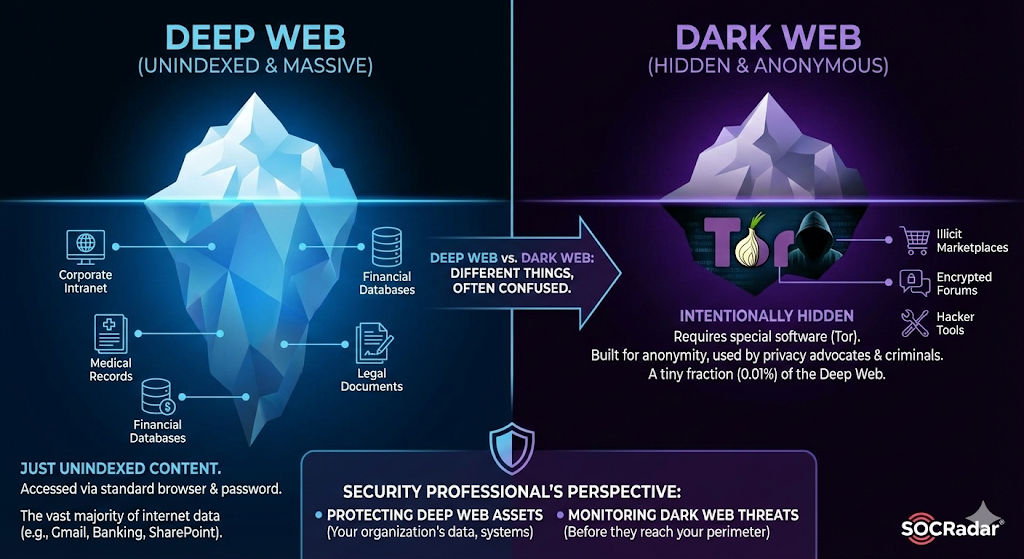
The dark web is a small, deliberately hidden slice of the internet that requires special software, such as the Tor browser, to access. It is not indexed by Google or other conventional search engines. While the dark web itself is not inherently illegal, it hosts a large concentration of cybercrime activity: marketplaces for stolen credentials, forums where breach data is traded, and encrypted chat channels where attackers coordinate.
It helps to distinguish three layers of the web:
- Surface web: Publicly indexed sites you can find through a search engine.
- Deep web: Password-protected or non-indexed content, such as your email inbox, bank portal, or private databases.
- Dark web: Overlay networks like Tor and I2P that anonymize both hosts and visitors, often used for illicit trade.
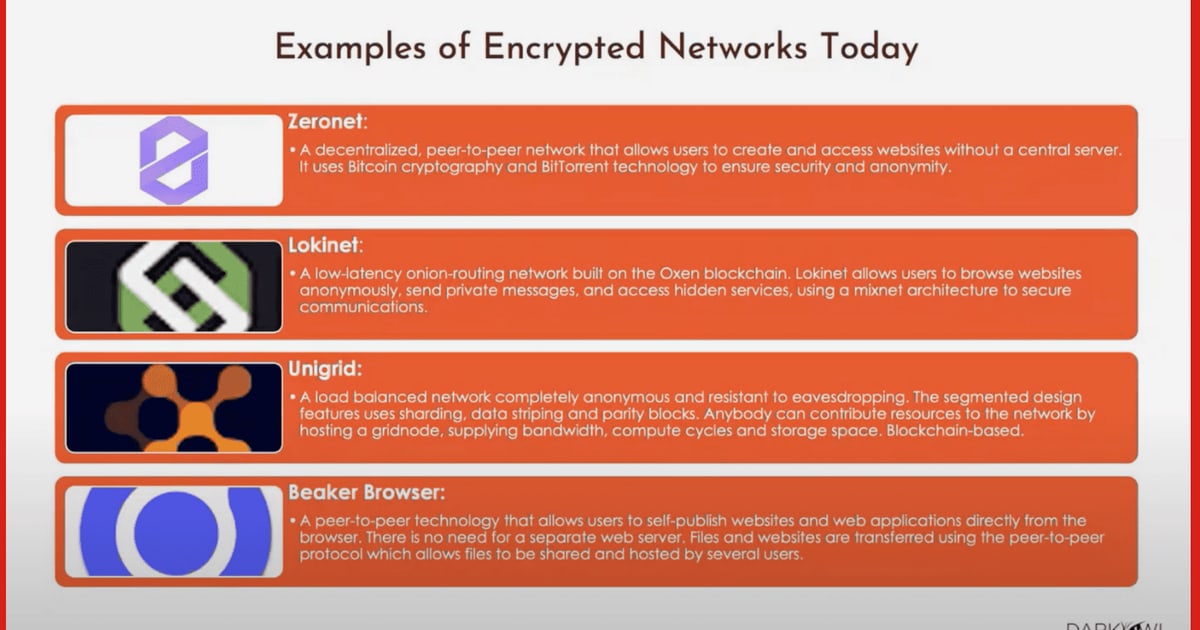
When security professionals talk about dark web monitoring, they usually mean monitoring all three layers with a focus on the hidden marketplaces, Telegram channels, and forums where stolen data changes hands.
How Dark Web Monitoring Works
Dark Web Monitoring: How It Works and Why You Need It - How Dark Web Monitoring Works.
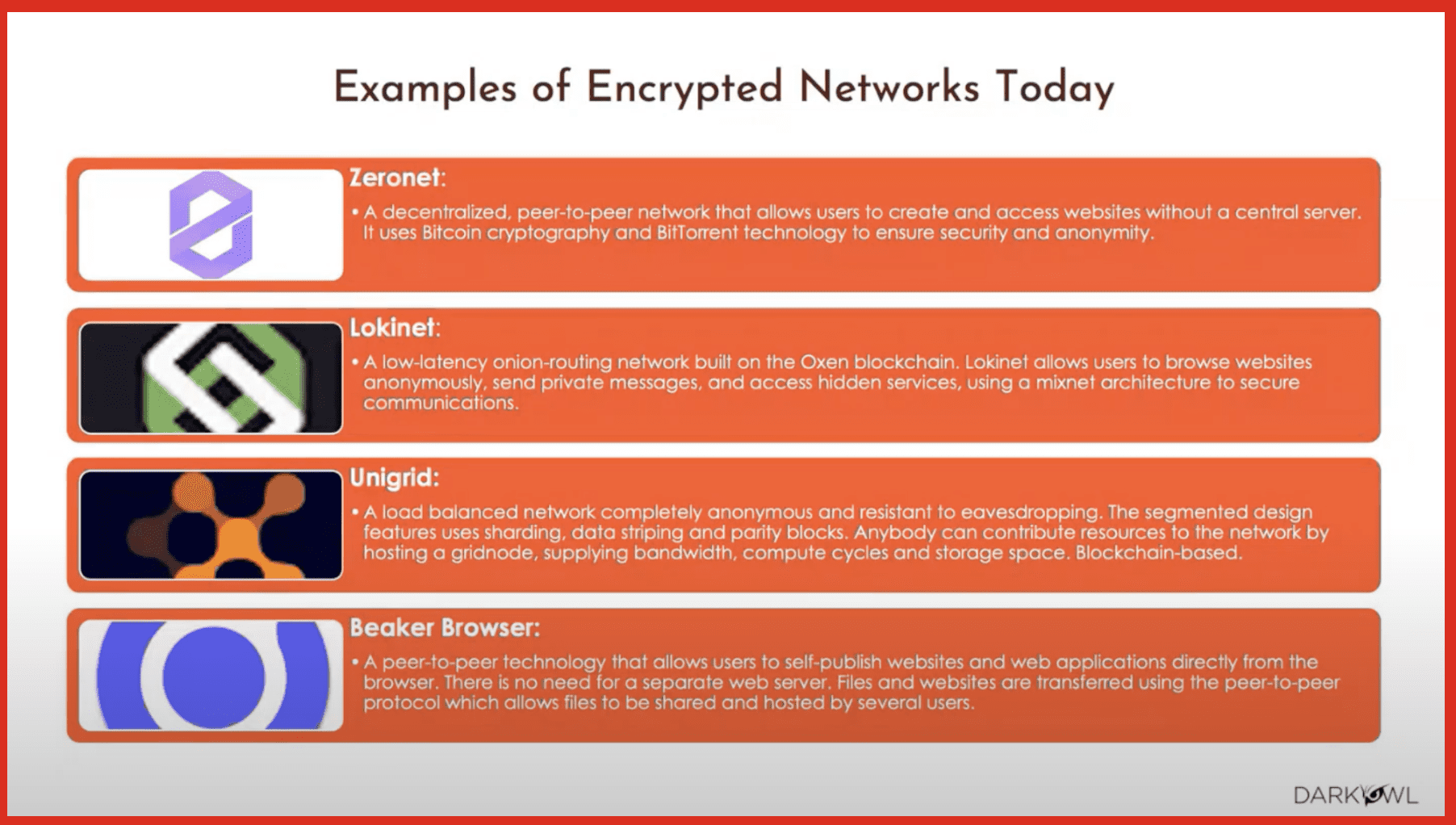
A dark web monitoring service works like a specialized search engine for criminal sources. It continuously crawls and indexes millions of pages across Tor sites, I2P networks, Telegram channels, Discord servers, paste sites, and breach databases. The system then matches the collected data against identifiers you care about: corporate email domains, employee credentials, customer records, API keys, brand names, or specific personal details.
When a match is found, the platform generates an alert with context such as:
- What type of data was exposed
- Where it appeared
- When it was first seen
- Whether the credential is still live
- How the exposure relates to other known threats
Modern platforms go beyond simple keyword matching. They parse infostealer logs, validate whether leaked passwords still work against your identity provider, and track the movement of stolen sessions across markets.
What Dark Web Monitoring Can Detect
A capable monitoring program surfaces several categories of exposure:
- Breach dumps and combo lists: Email-and-password pairs collected from third-party breaches and sold in bulk for credential stuffing attacks.
- Infostealer logs: Browser dumps harvested by malware such as Lumma or RedLine, containing saved logins, autofill data, and active session cookies.
- Stolen sessions: Cookies and tokens that let attackers bypass passwords and multi-factor authentication entirely.
- Phishing kit exfiltration: Credentials captured by fake login pages and delivered to attacker-controlled Telegram groups.
- Non-human identities: Leaked API keys, service account credentials, OAuth tokens, and cloud access keys.
- Brand and domain abuse: Lookalike domains, impersonation accounts, and chatter indicating planned attacks against your organization.
Why Dark Web Monitoring Matters
Dark Web Monitoring: How It Works and Why You Need It - Why Dark Web Monitoring Matters.
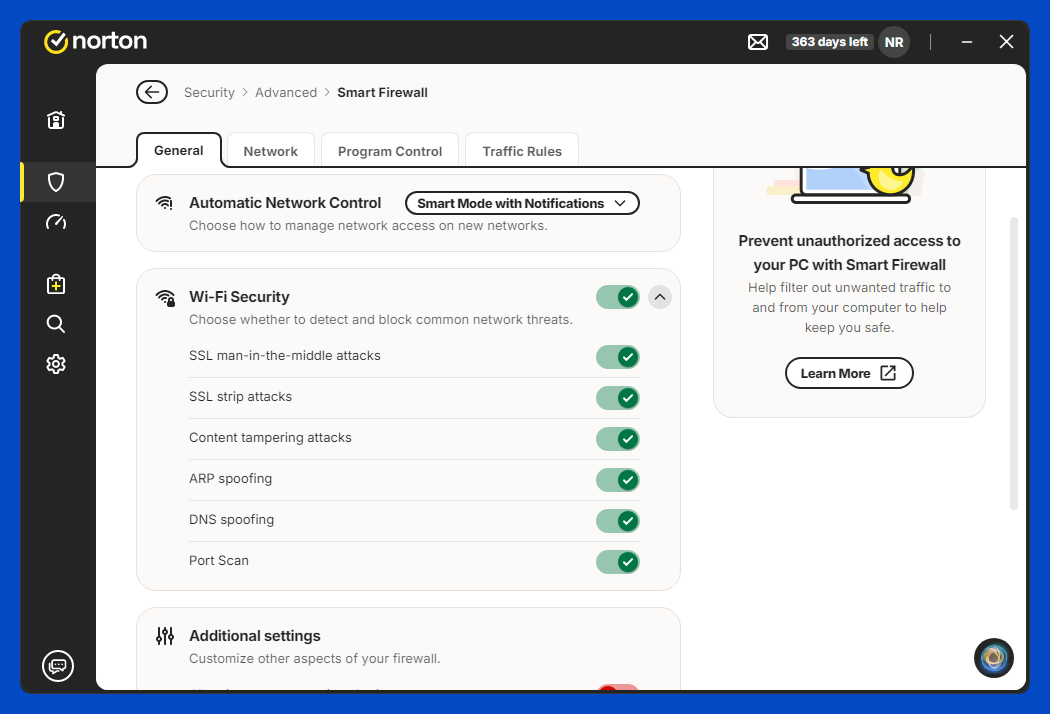
Traditional security tools are built to stop attacks before they happen. Antivirus blocks malware, firewalls filter traffic, and identity theft monitoring reacts after fraud occurs. Dark web monitoring fills the gap in between: it tells you what has already leaked so you can act before the leak becomes a full breach.
Consider the typical lifecycle of a stolen credential. An employee reuses a personal password on a third-party site. That site suffers a breach. Within days, the email-password pair appears in a combo list on a dark web market. Weeks later, an attacker tests the same password against your corporate VPN, your cloud console, or your code repository. If the password still works, the attacker is inside.
Monitoring shortens that timeline. An alert on day one lets you reset the password before the attacker ever tries it. Without monitoring, you may not learn about the exposure until the breach has already happened.
The stakes are not limited to passwords. Stolen session cookies can bypass multi-factor authentication completely. Leaked API keys can expose entire cloud environments. Chatter on a dark web forum can reveal that your organization is being actively targeted before the first attack attempt lands.
Dark Web Monitoring vs. Identity Theft Monitoring
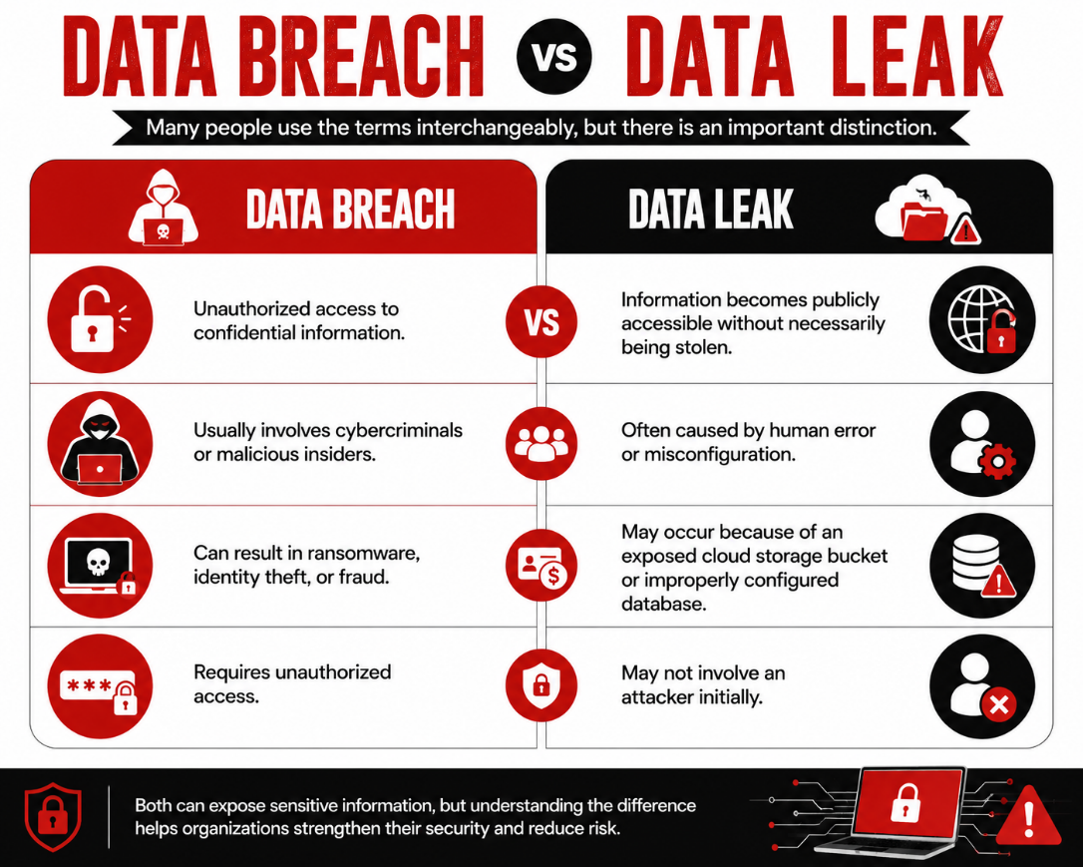
Dark Web Monitoring: How It Works and Why You Need It - Dark Web Monitoring vs. Identity Theft Monitoring.
These two services are often confused, but they serve different purposes.
| Feature | Dark Web Monitoring | Identity Theft Monitoring |
|---|---|---|
| Primary focus | Stolen credentials, leaked data, brand threats | Fraudulent use of personal identity |
| Typical user | Businesses and security teams | Individual consumers |
| Sources monitored | Tor sites, Telegram, I2P, paste sites, breach dumps | Credit bureaus, financial records, public records |
| Response | Reset credentials, revoke sessions, contain exposure | Freeze credit, dispute fraudulent charges |
| Speed of detection | Near real-time when data appears on dark sources | Often after fraud has already occurred |
Many organizations use both. Dark web monitoring catches the technical exposure; identity theft monitoring catches the downstream financial consequences. For a business, the technical exposure almost always comes first, which is why dark web monitoring is the more urgent investment.
Who Needs Dark Web Monitoring?
The short answer is nearly everyone with an online footprint. More specifically:
- Businesses that hold customer data need it to detect breaches early and meet regulatory obligations.
- Organizations with valuable intellectual property need it to spot trade secrets or proprietary code being sold.
- Companies with remote workforces need it because employees reuse passwords across personal and corporate accounts.
- Security teams need it to enrich threat intelligence and accelerate incident response.
- Individuals can benefit from free or low-cost monitoring to learn when their personal credentials appear in breach dumps.
Even if you do not consider yourself a high-value target, credential reuse means a breach at a random forum or shopping site can cascade into your email, bank, or workplace accounts.
How Personal Data Ends Up on the Dark Web
Understanding the attack paths helps you prioritize defenses. The most common routes include:
- Phishing: Fake emails or login pages trick users into entering credentials.
- Infostealer malware: Malicious software silently harvests saved passwords, cookies, and autofill data from infected devices.
- Third-party breaches: A service you use gets compromised, exposing the credentials you reused elsewhere.
- Insecure networks: Unencrypted traffic on public Wi-Fi can be intercepted.
- Exploited vulnerabilities: Attackers use known software flaws to gain access and extract data.
- Keylogging and screen scraping: Malware records keystrokes or captures screen contents.
Once collected, the data is packaged and sold. A complete identity profile, sometimes called a "fullz," can include name, date of birth, Social Security number, address, and financial details. Bulk credential lists sell for far less per record but trade in enormous volumes.
What to Do If Your Information Appears on the Dark Web
An alert is not a disaster. It is an early warning. The right response depends on what was exposed.
If Credentials Are Leaked
- Change the password for the affected account immediately.
- Change the same password anywhere else you reused it.
- Enable multi-factor authentication on every account that supports it.
- Check the account for unauthorized activity, such as unfamiliar logins or changed recovery settings.
- Revoke active sessions, especially if the leak included session cookies.
If Personal Identifiers Are Exposed
- Place a fraud alert or credit freeze with the major credit bureaus.
- Monitor bank and credit card statements for unusual activity.
- Consider replacing compromised payment cards.
- Watch for phishing attempts that reference the exposed data.
If Business Data Is Exposed
- Isolate affected accounts and systems.
- Rotate all exposed credentials, API keys, and secrets.
- Investigate whether the exposed data indicates an active breach.
- Notify legal, compliance, and affected customers as required.
- Document the incident and update your incident response plan.
How to Choose a Dark Web Monitoring Solution
Not all monitoring platforms are equal. When evaluating options, consider these factors:
- Source coverage: Does the platform monitor Tor sites, I2P, Telegram, Discord, paste sites, and breach databases? Telegram has become a primary channel for cybercrime, so coverage there is essential.
- Credential validation: Can the platform test whether leaked credentials still work against your identity provider? An alert about a dead password is noise; an alert about a live one is urgent.
- Session and secret detection: Does it catch stolen cookies, API keys, and OAuth tokens, or only email-password pairs?
- Alert quality: Are alerts contextualized with source, timestamp, and remediation guidance, or are they raw keyword matches?
- Integration: Does it connect to your SIEM, SOAR, or identity provider for automated response?
- Retention and search: Can you search historical data during an investigation, or does the platform only show recent alerts?
For individuals, free breach notification services can tell you if your email appears in known dumps. For businesses, a dedicated platform with validation and automation capabilities is usually worth the investment.
Complementary Security Practices
Dark web monitoring works best as part of a broader security posture. It tells you what has leaked; other tools help you prevent leaks and verify your defenses.
Test Your Own Exposure
Before your data appears on the dark web, it often leaks through your own browser or network configuration. Free diagnostic tools can reveal vulnerabilities that attackers exploit. For example, a browser fingerprint test shows how uniquely identifiable your browser is, while a DNS and WebRTC leak test verifies that your VPN is not silently exposing your real IP address. These checks matter because the same fingerprinting and leak techniques are used by attackers to target victims and by monitoring platforms to correlate stolen data.
Scan Your Network Perimeter
Open ports are a common entry point for the malware that steals credentials in the first place. Running a port scan with Nmap helps you identify exposed services before attackers do. Regular perimeter scanning reduces the likelihood that an infostealer or remote access trojan finds a foothold on your network.
Harden Remote Access
Remote workers are a frequent source of credential exposure because they connect from home networks and personal devices. Implementing secure remote access practices such as multi-factor authentication, device posture checks, and least-privilege access reduces the blast radius when credentials inevitably leak.
Related reading
- Account Burn Rate Reduction: Tactics to Extend Runway - Learn how to calculate gross and net burn rate, extend cash runway, and reduce account burn with practical cost, revenue, and payment strategies.
- Virtual Browser Profiles: How They Work and When to Use Them - Learn what virtual browser profiles are, how they isolate browsing data, and when to use them for privacy, testing, and multi-account management.
Sources and further reading
- What is Dark Web Monitoring? [Beginner's Guide] | CrowdStrike - Dark web monitoring is the process of searching for, and tracking, your organization’s information on the dark web. Get the guide to dark web monitoring here.
- What Is Dark Web Monitoring? Features and Benefits | Fortinet - Dark web monitoring is searching for and monitoring information found on the dark web. Discover how it works & how to protect a company's information from the dark web.
- Dark Web Monitoring - Automate monitoring the dark web and Telegram to detect stolen credentials, stealer logs, and data leaks so your team can stop breaches before they start.
Frequently Asked Questions
Is dark web monitoring legal?
Yes. Monitoring publicly accessible dark web sources for your own data is legal. The platforms that provide this service operate within legal boundaries and do not participate in illegal transactions. They observe and index what is already visible.
Can I check the dark web myself?
You can manually browse Tor sites, but doing so is risky, time-consuming, and provides no continuous coverage. Dedicated monitoring platforms automate the process and cover far more sources, including Telegram channels and I2P networks that are difficult to browse manually.
How much does dark web monitoring cost?
Free services exist for basic email breach checks. Business-grade platforms with credential validation, session detection, and automation typically operate on a subscription model priced by organization size and feature set. The cost is usually small compared to the expense of a single successful credential-stuffing attack.
Does dark web monitoring prevent breaches?
No single tool prevents breaches. Monitoring detects exposure after it happens so you can respond before exploitation. It complements prevention tools such as password managers, multi-factor authentication, endpoint protection, and security awareness training.
How quickly will I be alerted after my data appears?
Top platforms operate in near real time, often alerting within minutes or hours of data appearing on monitored sources. The exact speed depends on the platform's collection cadence and the source where the data appears.
What is the difference between the deep web and the dark web?
The deep web includes all non-indexed content such as private databases and password-protected pages. The dark web is a subset of the deep web that requires anonymizing software like Tor to access. Dark web monitoring focuses primarily on the dark web but also covers deep web sources such as paste sites and private chat channels.
Conclusion
Dark web monitoring is no longer a niche capability for large enterprises. It is a practical necessity for any organization or individual whose credentials, customer data, or intellectual property could be traded on hidden markets. The core value is speed: detecting exposure early enough to reset a password, revoke a session, or rotate a key before an attacker uses it.
Effective monitoring combines broad source coverage with credential validation and automated response. It works best alongside proactive hygiene such as unique passwords, multi-factor authentication, regular network scans, and browser privacy testing. When monitoring tells you what has leaked and your own diagnostics tell you where you are vulnerable, you can close the gap between exposure and exploitation before it becomes a breach.