
DeviceAtlas Review: Device Intelligence for Real-Time Targeting
DeviceAtlas Review: Device Intelligence for Real-Time Targeting
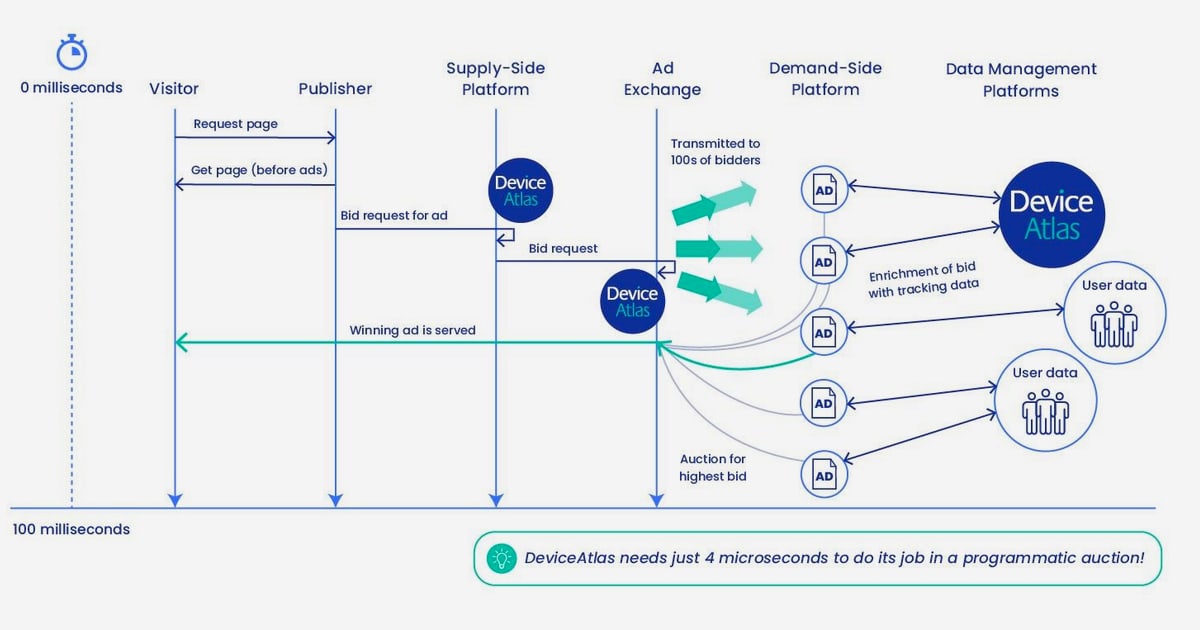
DeviceAtlas is a device intelligence platform that identifies connected devices and their capabilities in real time, primarily through user-agent analysis and related signals. This review examines what it does well, where it falls short, who benefits most, and how to decide whether it belongs in your stack. It is based on publicly available product documentation, use-case write-ups, and technical discussions of device detection methods.
What DeviceAtlas Does
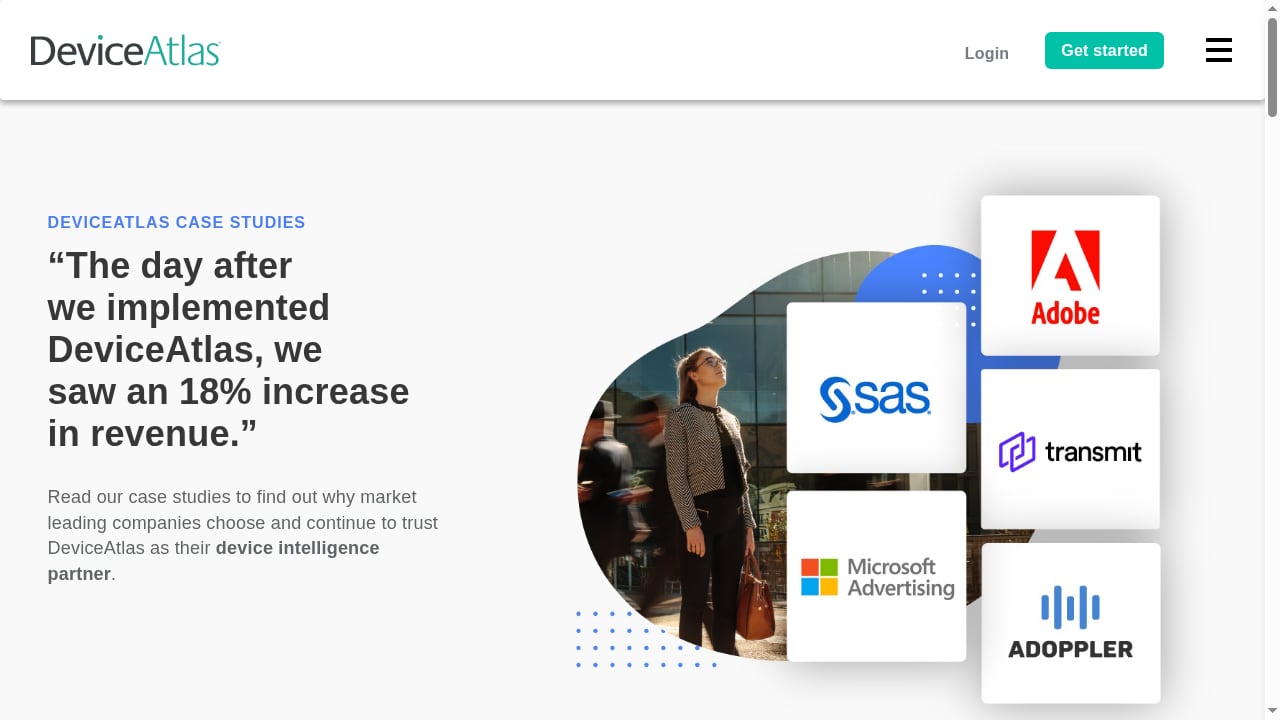
First viewport screenshot of deviceatlas.com.
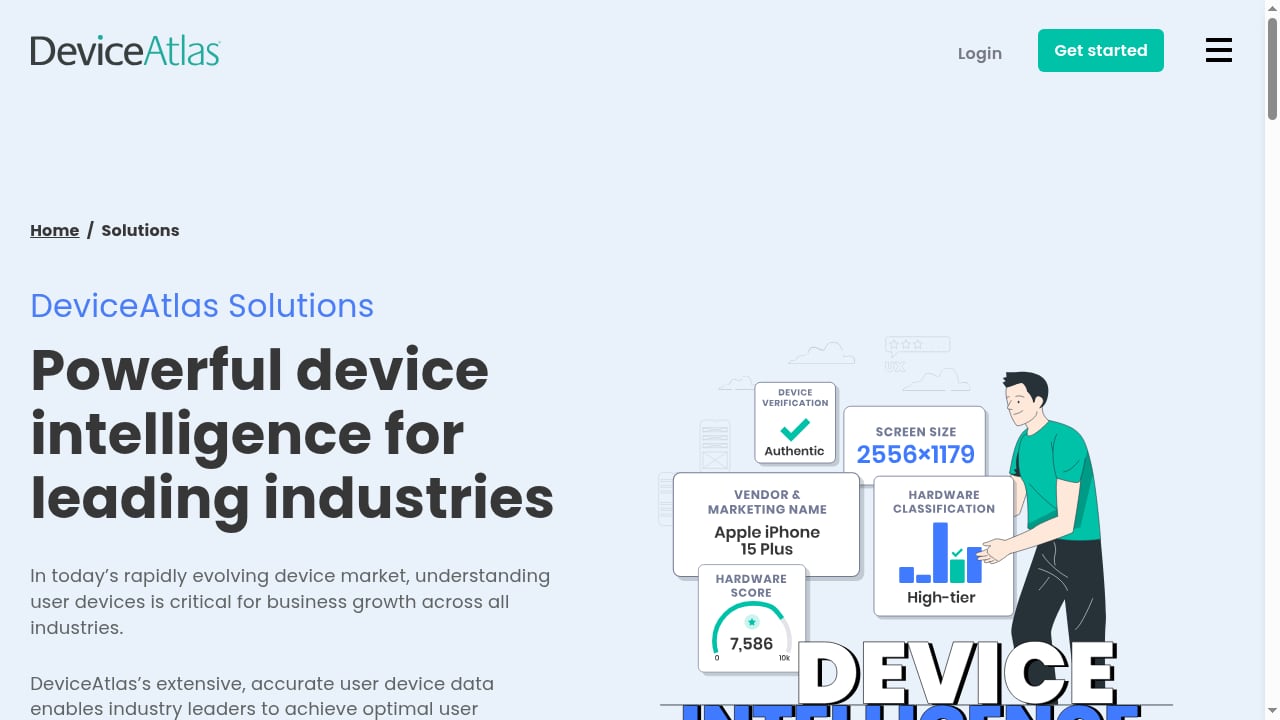
At its core, DeviceAtlas maps incoming requests to a detailed device profile. That profile can include brand, model, year released, hardware tier, screen properties, and browser capabilities. The platform is used to adapt content, target offers, and optimize performance without requiring personally identifiable information (PII) about the visitor.
The product is often described as a device intelligence layer rather than a simple detection library. That distinction matters: detection answers "what device is this?" while intelligence answers "what does that device tell me about the visitor's likely context and needs?"
Ideal Users and Use Cases
First viewport screenshot of deviceatlas.com.
Who gets the most value
- B2C ecommerce and media teams that want to tailor the first page load based on device characteristics.
- Ad tech and programmatic platforms that need reliable device signals for targeting and measurement.
- Product and engineering teams building responsive experiences that go beyond CSS breakpoints.
- Analytics and data teams that want to enrich session data with hardware and capability attributes.
Practical use cases
First-page personalization. A visitor arriving on a premium-tier smartphone might see a different lead offer than a visitor on an entry-level device. DeviceAtlas documentation describes mapping device brand, release year, and hardware tier to consumer personas such as "prestige seeker" or "smart spender." The appeal is that this happens at the instant of the first request, before any behavioral data exists.
Content and media optimization. Serving appropriately sized images and video based on screen and hardware capability reduces waste and improves load times.
Fraud and bot signals. Device characteristics can support anomaly detection, though DeviceAtlas is not positioned as a standalone fraud-prevention tool.
Client Hints augmentation. DeviceAtlas has added Client Hints as an additional index alongside user-agent strings and other identifiers, which helps future-proof detection as browser signaling evolves.
Strengths
First viewport screenshot of deviceatlas.com.
- Real-time, first-request insight. Unlike analytics-based personalization, device intelligence works before a visitor has a session history.
- No PII required. Targeting can be based on device attributes rather than identity, which simplifies privacy compliance conversations.
- Granular classification. Hardware tiers (entry level through premium) provide a brand-neutral proxy for device value and capability.
- Broad signal coverage. The platform combines user-agent analysis, Client Hints, and other identifiers to maintain accuracy across a fragmented device landscape.
- Established track record. DeviceAtlas has been operating in the device detection space since the mid-2000s, which is a meaningful signal of stability for infrastructure buyers.
Limitations and Trade-offs
- Not a privacy testing tool. DeviceAtlas is built for identification and intelligence, not for auditing your own browser fingerprint exposure. Teams focused on privacy testing should look at dedicated tools; see our comparison of BrowserScan vs Browser Check vs DeviceAtlas for that distinction.
- Client Hints are not universal. Browser support varies, and Client Hints alone cannot cover every case. DeviceAtlas itself argues that Client Hints should supplement rather than replace user-agent analysis.
- Implementation effort. Integrating a detection API or on-premise data file requires engineering time, testing, and ongoing maintenance.
- Persona mapping is heuristic. Mapping device characteristics to consumer personas is a reasonable starting point, but it is not a substitute for validated segmentation and testing.
- Pricing opacity. Like many B2B infrastructure products, pricing is quote-based and depends on traffic volume and deployment model.
Pricing Signals
DeviceAtlas does not publish a public price list. Based on how comparable device intelligence vendors structure contracts, expect pricing to depend on:
- Request or traffic volume (monthly API calls or licensed data usage).
- Deployment model (cloud API versus on-premise data file).
- Support and SLA requirements.
- Additional modules such as connectivity analysis or carrier data.
Public company data suggests DeviceAtlas is a relatively small, focused organization, which often means responsive support but also means buyers should confirm roadmap and long-term stability during procurement. For budget planning, request a quote with your actual traffic profile rather than relying on list-price assumptions.
Setup and Integration
A typical evaluation follows these steps:
- Define the decision you want to make. For example: "Show premium offers to high-tier device users on first visit."
- Choose a deployment model. Cloud API is faster to start; on-premise data files can reduce latency and keep request data in-house.
- Integrate detection. Add the API call or library to your server-side request handling, then map returned properties to your content or targeting logic.
- Validate accuracy. Compare detected properties against known devices and your analytics baseline.
- Run a controlled test. A/B test the personalized experience against the default to measure lift.
- Monitor and maintain. Device landscapes change; schedule periodic accuracy reviews.
If you are also auditing network exposure alongside device detection, a combined workflow such as BrowserScan + Nmap can complement the picture.
How DeviceAtlas Compares
First viewport screenshot of deviceatlas.com.
| Criterion | DeviceAtlas | Privacy testing tools (e.g., BrowserScan) |
|---|---|---|
| Primary purpose | Device identification and intelligence | Fingerprint and leak auditing |
| First-request targeting | Yes | Not applicable |
| PII-free segmentation | Yes | Yes, for testing |
| Fingerprint exposure report | No | Yes |
| Best for | Product, ad tech, ecommerce teams | Privacy, security, QA teams |
The two categories are complementary rather than competitive. A team building device-aware experiences may still want a fingerprint audit to understand what their own site exposes. For a broader view of the testing landscape, see our Top 10 Browser Fingerprinting & Privacy Testing Tools 2026.
Decision Criteria
Choose DeviceAtlas if:
- You need real-time device insight at the first request, not after a session builds.
- You want to personalize or optimize without relying on PII.
- You can commit engineering resources to integration and testing.
- You value an established vendor with a long track record in device detection.
Look elsewhere if:
- Your main goal is auditing your own browser fingerprint or privacy posture.
- You need a transparent, self-serve price before talking to sales.
- You cannot support ongoing integration maintenance.
Related reading
- Bulk IP Analysis for Browser Fingerprint Privacy - Learn how bulk IP analysis supports browser fingerprint detection, leak testing, and privacy audits. Use BrowserScan to check IP, DNS, WebRTC, and more.
- Top 10 Browser Privacy Testing & Education Products 2026 - Independent 2026 ranking of the best browser privacy testing and education products, scored on fingerprint coverage, leak detection, teaching value, and usability.
Sources and further reading
- Smarter Consumer Targeting On First Page Load: A Device Intelligence Use Case - DeviceAtlas enables B2C businesses to precisely target different visitor personas with appropriate offers in real time, by leveraging insights into the device used by the visitor.
- DeviceAtlas Careers | Levels.fyi - Everything you need to know about DeviceAtlas including salaries, levels, benefits, and more.
- Client Hints and A High-Value Use Case - Client Hints and A High-Value Use Case - learn more about Client Hints including the aim, background, limitations & get a key use case that has calculable ROI.
FAQ
Is DeviceAtlas a fingerprinting tool?
No. DeviceAtlas identifies devices and their capabilities for targeting and optimization. It is not designed as a browser fingerprint auditing or privacy testing tool, though the underlying signals overlap with what fingerprinting tools examine.
Does DeviceAtlas require personal data?
Its documented use cases emphasize device-based targeting without PII. However, you should still review your own data flows and compliance obligations.
How is DeviceAtlas priced?
Pricing is quote-based and typically depends on traffic volume, deployment model, and support level. Request a quote using realistic traffic figures.
Can DeviceAtlas replace Client Hints?
DeviceAtlas treats Client Hints as an additional signal rather than a replacement for user-agent analysis, which is a sensible position given uneven browser support.
What is the biggest limitation?
Implementation effort and the heuristic nature of persona mapping. Device characteristics are a useful proxy, but they should be validated with testing before driving major business decisions.
Conclusion
DeviceAtlas is a mature, focused device intelligence platform with a clear value proposition: understand the device at the first request and use that insight to make better real-time decisions without relying on personal data. Its strengths are real-time coverage, granular classification, and a long operating history. Its limitations are integration effort, quote-based pricing, and the fact that device-to-persona mapping is a starting point rather than a guarantee.
For teams building device-aware personalization, ad targeting, or performance optimization, it is a credible shortlist candidate. For teams whose priority is auditing their own fingerprint exposure, dedicated privacy testing tools remain the better fit. Evaluate DeviceAtlas against your actual traffic profile, test the lift, and confirm the commercial terms before committing.