
What Is IPWHOIS.io? The IP Geolocation API Explained
What Is IPWHOIS.io? A Deep Dive into the Free IP Geolocation API
Understanding where your website visitors originate from is fundamental to personalizing content, preventing fraud, and optimizing digital experiences. IPWHOIS.io has emerged as a popular solution in this space, offering a straightforward way to retrieve location intelligence from an IP address. But what exactly is it, how does it work under the hood, and how can you ensure the data you receive is genuinely accurate? This guide unpacks the platform’s core capabilities, its API architecture, and practical methods for verifying its output.
Understanding IPWHOIS.io: More Than a Simple Lookup
What Is IPWHOIS.io? The IP Geolocation API Explained - Understanding IPWHOIS.io: More Than a Simple Lookup.
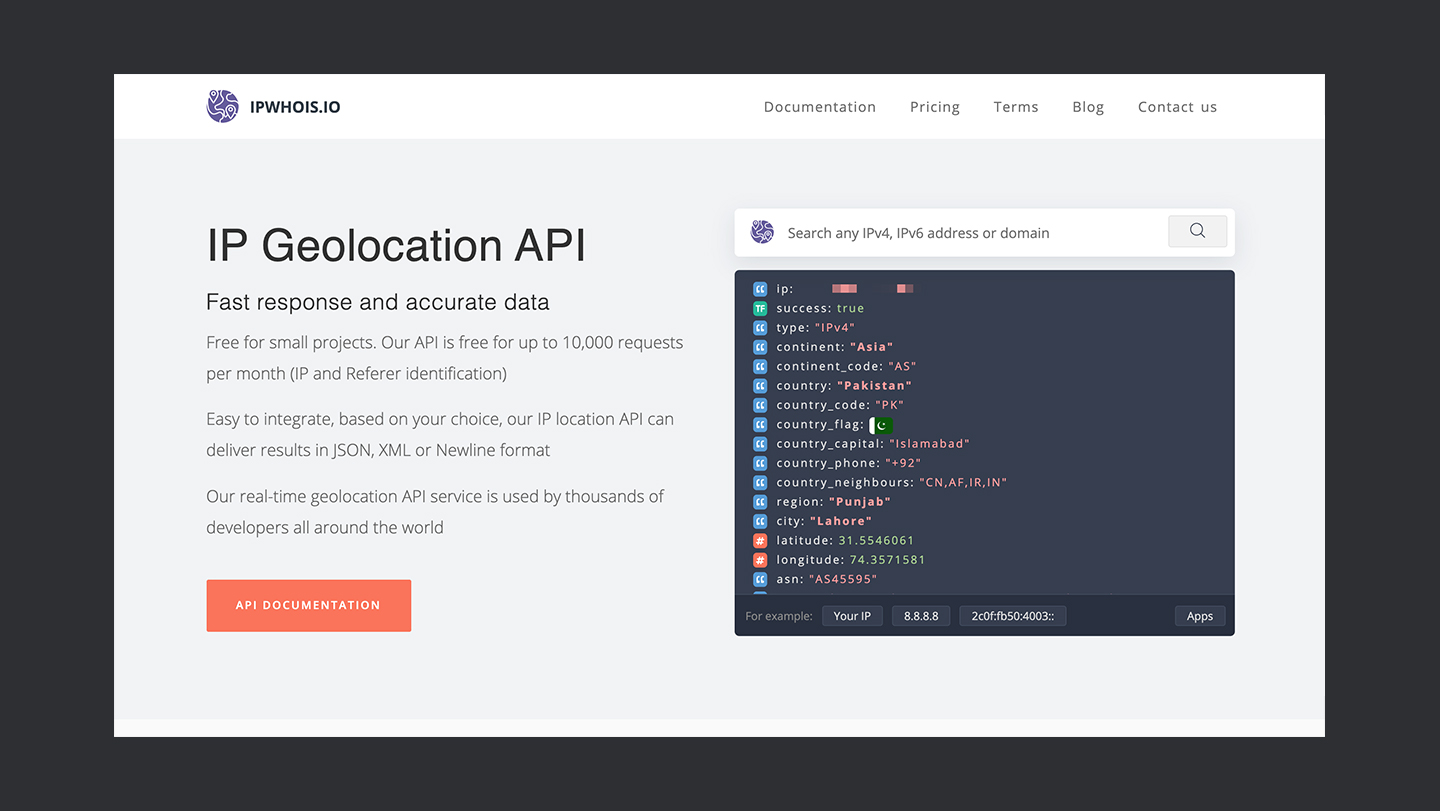
IPWHOIS.io is a cloud-based IP geolocation and intelligence API service. At its core, it translates a raw IPv4 or IPv6 address into a structured set of data points—country, city, ISP, time zone, currency, and security threat indicators. Unlike a standard WHOIS domain lookup that reveals domain registration details, this platform focuses exclusively on the network and geographical attributes tied to an IP address.
The service is built on a proprietary Anycast network with globally distributed points of presence (PoPs). This infrastructure routes each API request to the nearest server node, which helps achieve response times as low as 50 milliseconds in most parts of the world. The backend combines OpenResty and Rust to handle high-throughput loads, processing over a billion requests daily. Instead of querying a disk-based database, the geolocation data is loaded into in-memory binary stores for constant-time lookups. This architecture is designed for developers who need low-latency, production-grade reliability without managing local database updates.
Key Data Points Returned by the API
A single API call to the free endpoint returns a comprehensive JSON object. Beyond basic location, the response is segmented into logical groups:
- Geolocation: Continent, country, region, city, postal code, and approximate latitude/longitude coordinates.
- Network & ISP: Autonomous System Number (ASN), organization name, ISP, and associated domain. If you need to explore ASN ownership and routing further, an ASN Lookup can provide deeper insight into network blocks.
- Time Zone: Identifier, abbreviation, UTC offset, and current local time, which is invaluable for displaying time-sensitive information correctly.
- Currency: Local currency name, ISO code, symbol, and exchange rate against the US dollar.
- Security Intelligence: Boolean flags indicating whether the IP is associated with a proxy, VPN, Tor exit node, or hosting provider. A composite
anonymousfield returns true if any anonymization method is detected.
How the API Works: A Developer-First Approach
What Is IPWHOIS.io? The IP Geolocation API Explained - How the API Works: A Developer-First Approach.
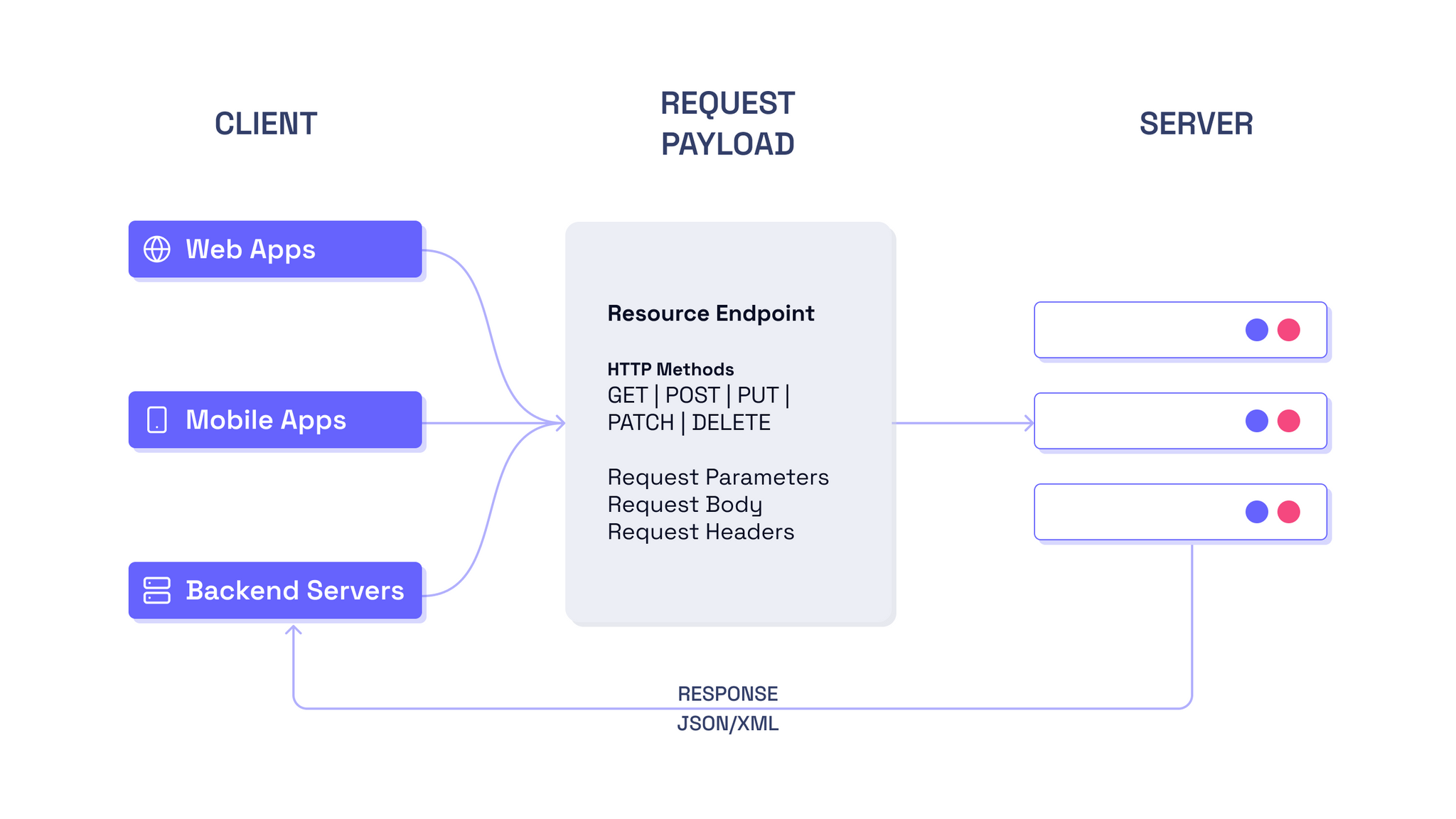
The API is designed for immediate usability. You can send an HTTP GET request without registering or obtaining an API key on the free plan. The base endpoint is http://ipwho.is/, and you append an IP address to query a specific target. If you omit the IP, the API returns data for your own public address.
# Lookup your own IP
curl "http://ipwho.is/"

# Lookup a specific IP
curl "http://ipwho.is/8.8.4.4"
HTTPS is fully supported and recommended for browser-based requests from secure websites. The default response format is JSON, but you can switch to XML or CSV by adding the output parameter. A powerful feature for optimizing payloads is the fields parameter, which lets you request only the specific data points your application needs. For example, ?fields=country,city,security.vpn returns a minimal, focused response.
Rate Limits and Plan Tiers
The free endpoint is limited to 1,000 requests per day per client IP address. For browser-based JavaScript requests using CORS, the limit is applied per domain rather than per visitor. Exceeding the limit returns an HTTP 429 status code with a Retry-After header. Paid Pro plans start at $12.99 per month, offering higher request volumes, a bulk lookup endpoint for up to 100 IPs per call, enhanced accuracy, native-language data, and a 99.99% uptime SLA. The free tier permits commercial use, making it a viable starting point for small projects.
Verifying IP Data Accuracy: Why It Matters
What Is IPWHOIS.io? The IP Geolocation API Explained - Verifying IP Data Accuracy: Why It Matters.
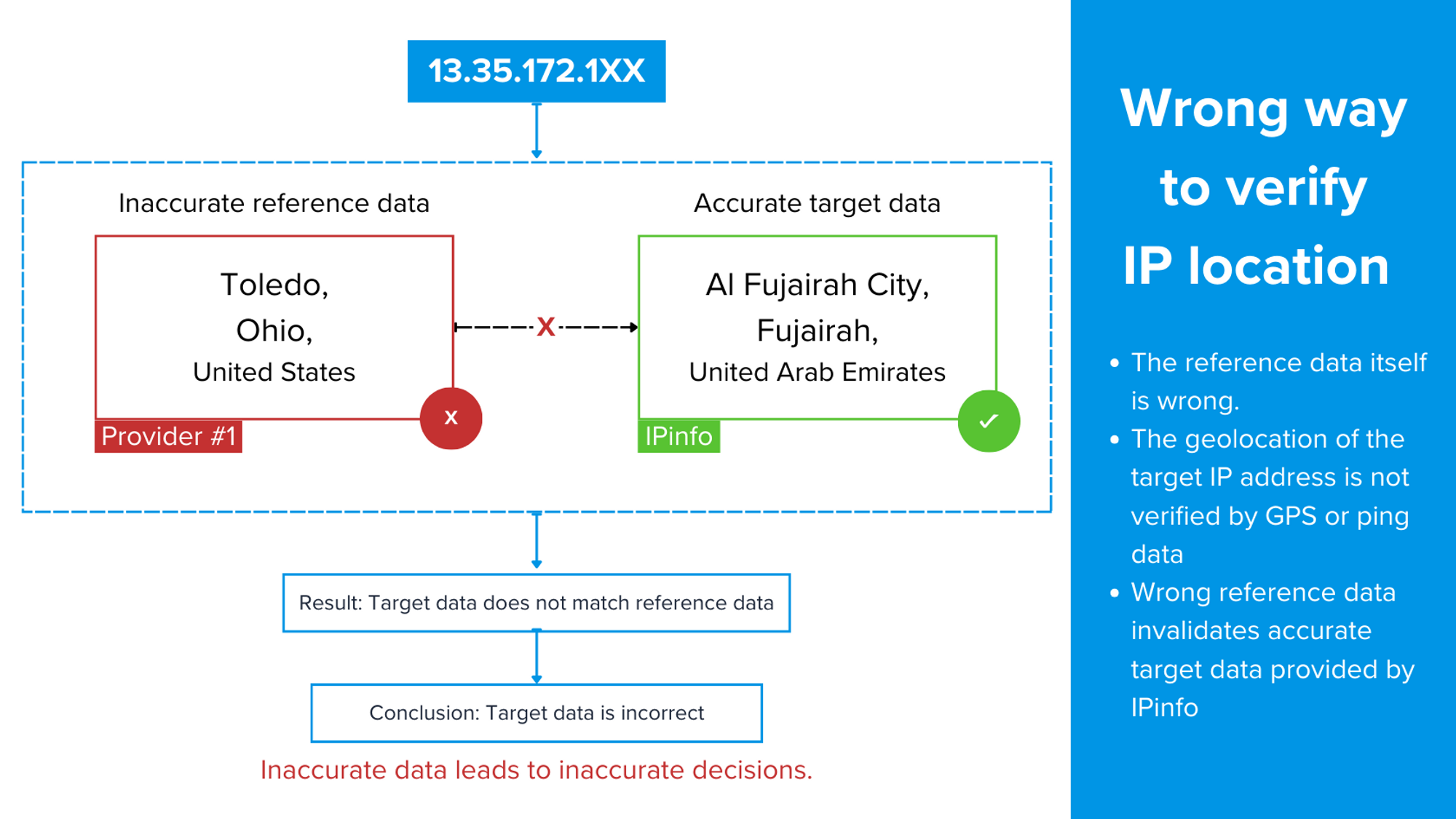
No IP geolocation service is infallible. Data accuracy can vary based on the IP’s type (residential vs. mobile vs. hosting), the regional internet registry’s update frequency, and whether the target is behind a VPN or proxy. IPWHOIS.io uses AI-driven data aggregation and real-time updates from multiple Regional Internet Registries (RIRs) to improve precision, but independent verification is a healthy practice.
If your application relies on location data for security rules, content personalization, or fraud detection, you should periodically audit the results. For a broader perspective on how IP-to-location mapping works and its inherent limitations, our IP Geolocation guide explains the underlying mechanics and accuracy constraints.
Using BrowserScan to Cross-Check IP and Network Data
A practical way to validate what an IP API reports is to compare it against what your browser actually exposes to the websites you visit. BrowserScan is a web-based privacy and security testing platform that provides a suite of tools to inspect your real-time network fingerprint. After querying your IP through IPWHOIS.io, you can run a parallel check using BrowserScan’s IP address lookup tool, which also displays geolocation, ISP details, and proxy detection flags.
More importantly, BrowserScan’s DNS and WebRTC leak tests can reveal whether your VPN or proxy is truly hiding your real IP address. The security flags returned by IPWHOIS.io—such as vpn: true—should align with your actual setup. If a leak test shows your originating ISP IP while the API reports a VPN IP, you have identified a configuration gap. This cross-referencing approach turns raw API data into actionable security intelligence, helping you trust the numbers you are feeding into your application logic.
IPWHOIS.io vs. Alternatives: Making the Right Choice
What Is IPWHOIS.io? The IP Geolocation API Explained - IPWHOIS.io vs. Alternatives: Making the Right Choice.
While IPWHOIS.io excels with its instant-on free tier and developer-friendly design, it is not the only player in the IP intelligence market. The right choice depends on your specific requirements for accuracy depth, data enrichment, and budget.
When to Consider Alternatives
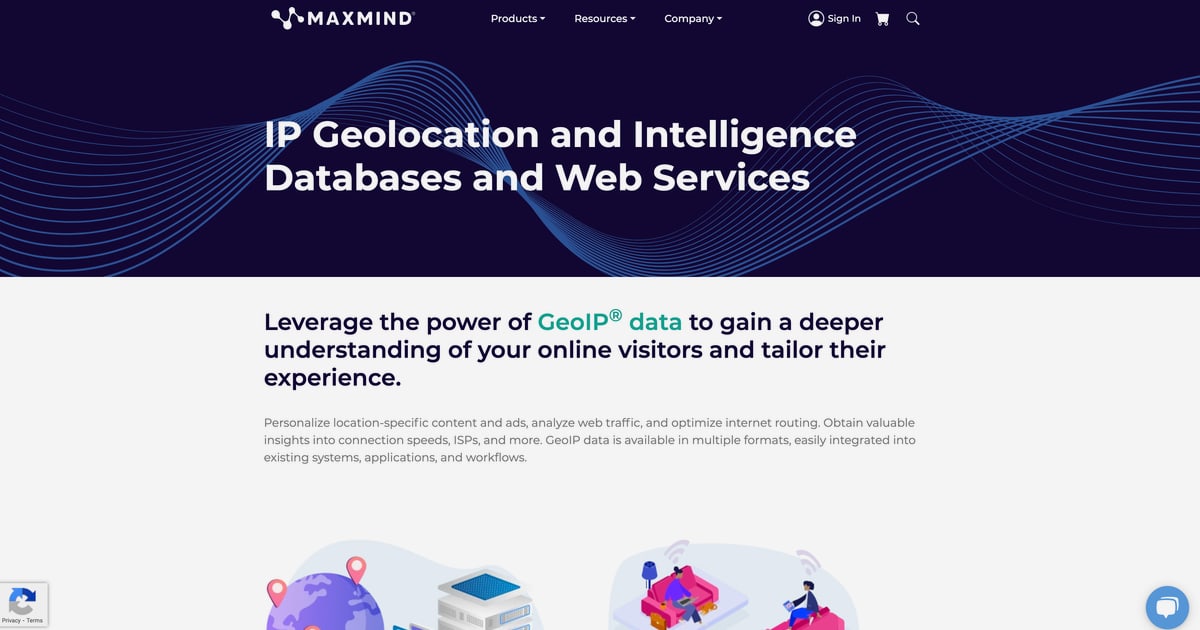
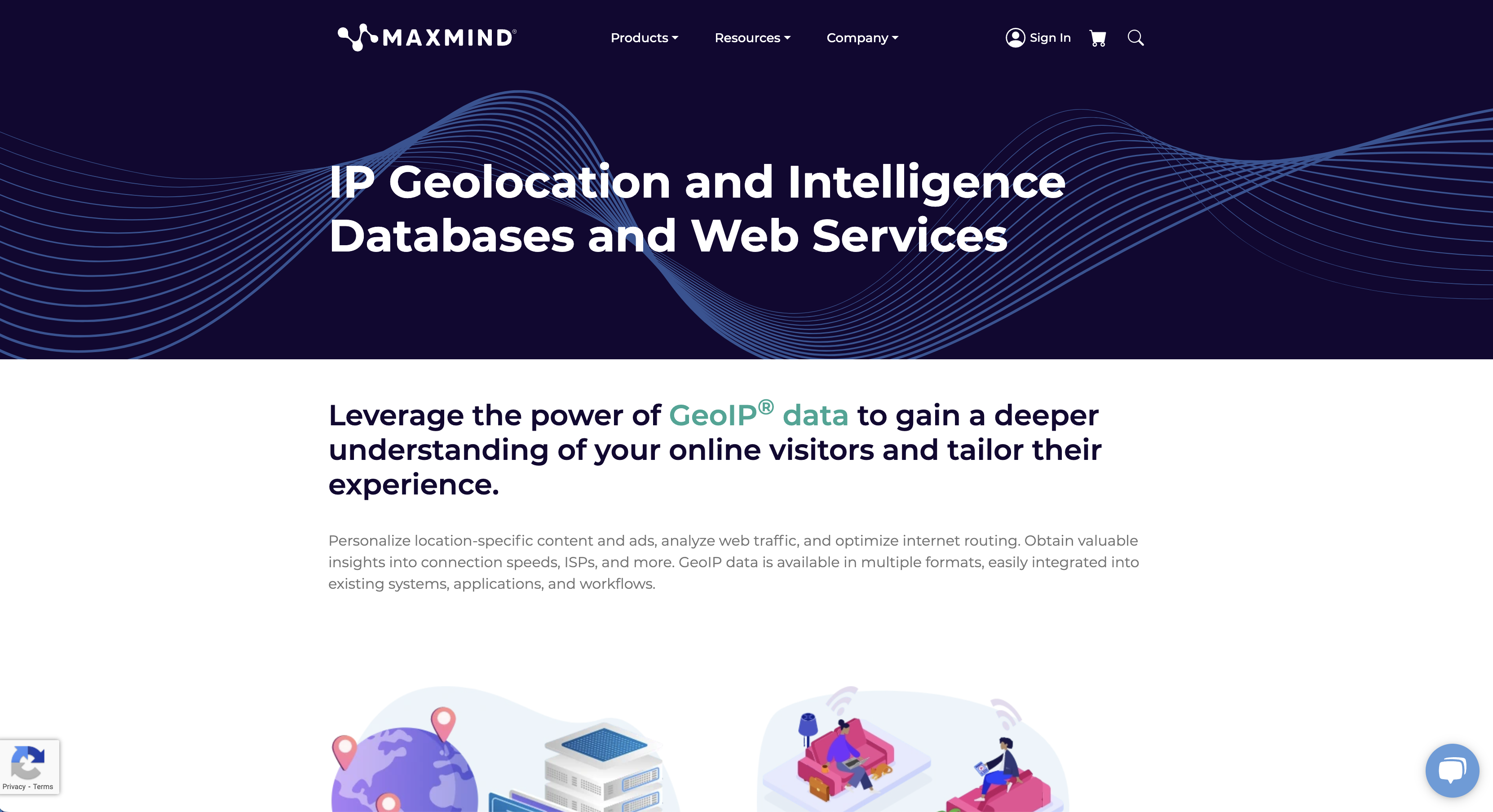
Services like Abstract API, IP2Location.io, and MaxMind offer features that may better suit certain production scenarios. For example, Abstract API provides company enrichment and connection type detection, while MaxMind is known for its downloadable, offline databases that offer more granular control over data freshness. If you are evaluating different providers, understanding the broader category is helpful; our IP API complete guide compares free and paid geolocation services to help you navigate the trade-offs.
IPWHOIS.io remains a strong contender when you need a zero-configuration REST API with a generous free daily allowance and a clean, predictable response structure. Its multilingual response support and currency conversion data also make it particularly useful for localized e-commerce experiences.
Related reading
- IPWHOIS.io Download: API Setup, Docs & Offline Alternatives - Looking for an IPWHOIS.io download? Understand the API-only architecture, explore setup guides, code examples, and discover offline IP lookup alternatives.
- What Is BigDataCloud? IP Geolocation & Network APIs Explained - Learn what BigDataCloud is, how its patented IP geolocation and reverse geocoding APIs work, and how to verify the data accuracy with privacy testing tools.
- What Is Encryption? Types, Algorithms & How It Protects Your Data - Learn how encryption secures data using symmetric and asymmetric algorithms like AES and RSA. Discover its role in HTTPS, privacy, and how to test your protection.
Sources and further reading
- IP Geolocation API - IPWHOIS.io - Free IP Geolocation and IP Location Lookup API
- IP Geolocation Documentation - IPWHOIS.io - IP Geolocation and IP Location Lookup Documentation
- Top 5 IPWHOIS.io Alternatives in 2025 - Mar 10, 2025 — IPWHOIS.io is a service providing an IP Geolocation API and IP location lookup tools. While it offers a range of features, it might not be the ...Read more
Frequently Asked Questions
What exactly does IPWHOIS.io do?
It is an IP geolocation API that returns location, network, time zone, currency, and security threat data for any IPv4 or IPv6 address. It is not a domain WHOIS lookup service.
Is IPWHOIS.io really free?
Yes, the free plan allows 1,000 requests per day without requiring an API key. Commercial use is permitted on the free tier.
How does IPWHOIS.io detect VPNs and proxies?
The service maintains a database of known VPN endpoints, proxy servers, Tor exit nodes, and hosting provider IP ranges. It checks the queried IP against these lists and returns boolean flags in the security object.
Can I use IPWHOIS.io for GDPR-compliant applications?
IP geolocation data can be considered personal data under GDPR. You should assess your legal basis for processing and ensure your use of any IP intelligence service aligns with your privacy policy and user consent mechanisms.
How do I know if the IP location data is accurate?
No service guarantees 100% accuracy. You can verify results by cross-referencing with other tools, such as BrowserScan’s IP lookup and leak tests, to see if the reported location and ISP match your actual network configuration.
Conclusion
IPWHOIS.io strips away the complexity of IP intelligence and delivers a fast, no-signup API that serves real business needs—from localizing content to flagging suspicious traffic. Its in-memory architecture and AI-enhanced database updates aim to balance speed with accuracy. However, responsible integration means treating geolocation data as a probabilistic signal rather than absolute truth. By combining API data with practical verification steps—like running a browser fingerprint check or a WebRTC leak test through a platform like BrowserScan—you build a more resilient and trustworthy system. Whether you stick with the free tier or scale to a paid plan, understanding both the power and the limits of IP geolocation will keep your application’s logic grounded in reality.